
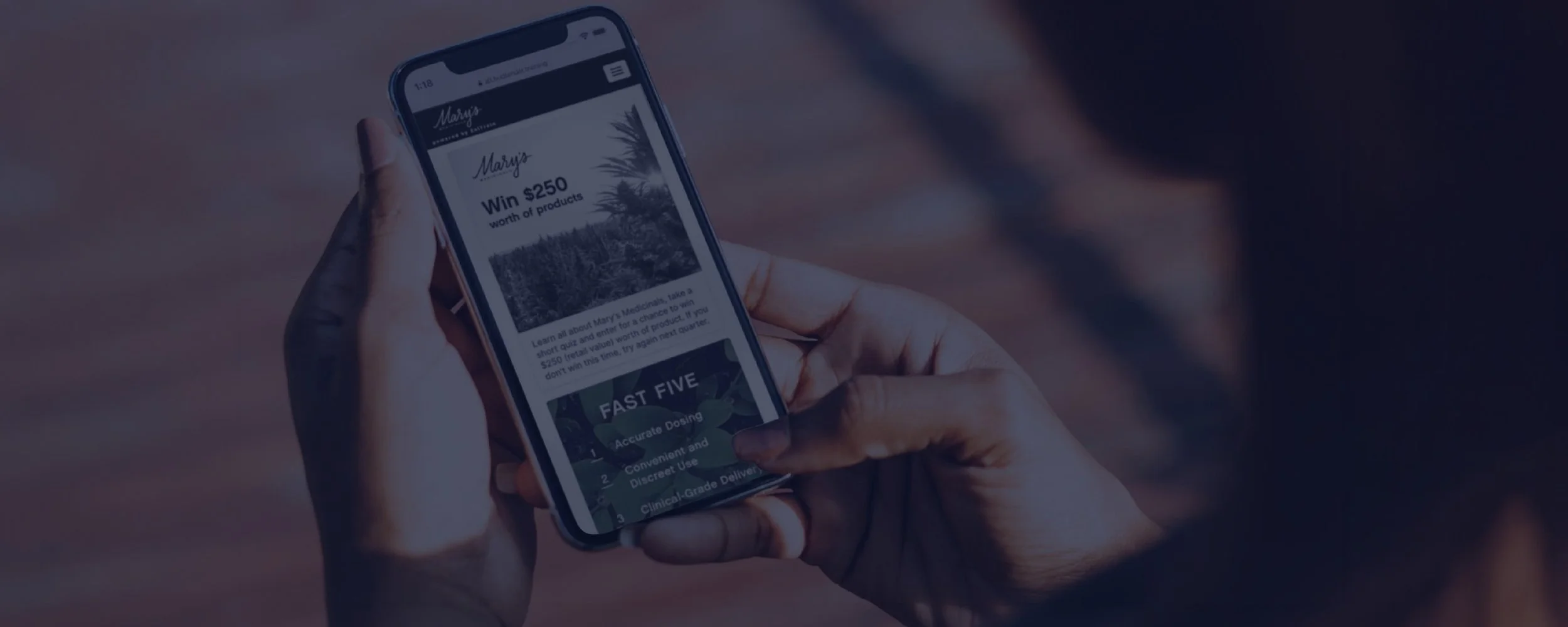
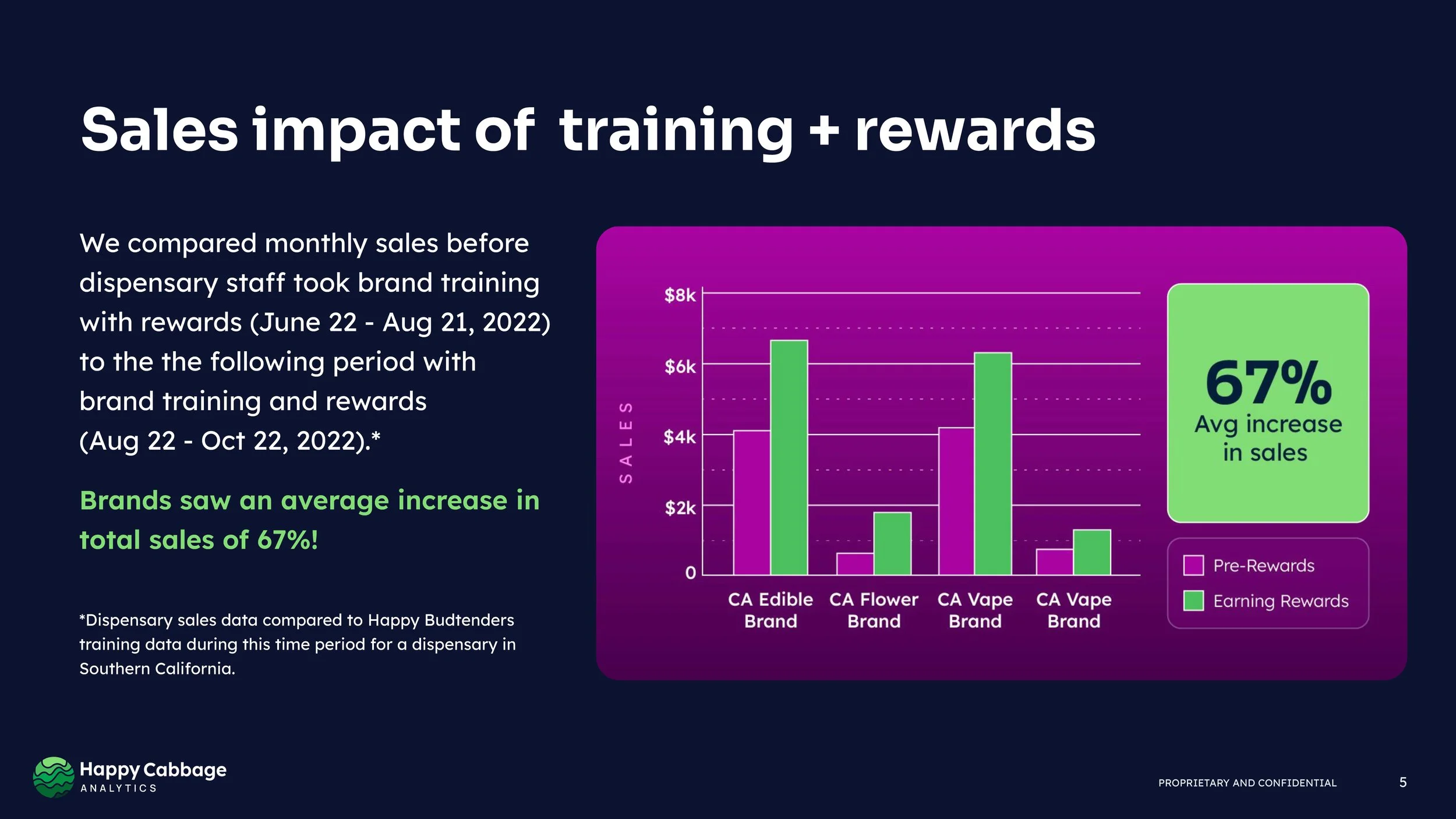
67% average sales lift across 100+ cannabis brands
〰️
67% average sales lift across 100+ cannabis brands 〰️
PRoject
Happy Budtenders, originally ZolTrain, was a mobile-first learning platform that helped cannabis brands educate budtenders at scale. Instead of relying on repetitive in-person training, brands could deliver interactive digital courses while retailers tracked employee participation, quiz scores, and training progress across locations.
My role spanned nearly every part of the experience—from designing engaging educational courses to shaping the platform UI, brand system, sales materials, onboarding guides, and marketing campaigns.
Challenge
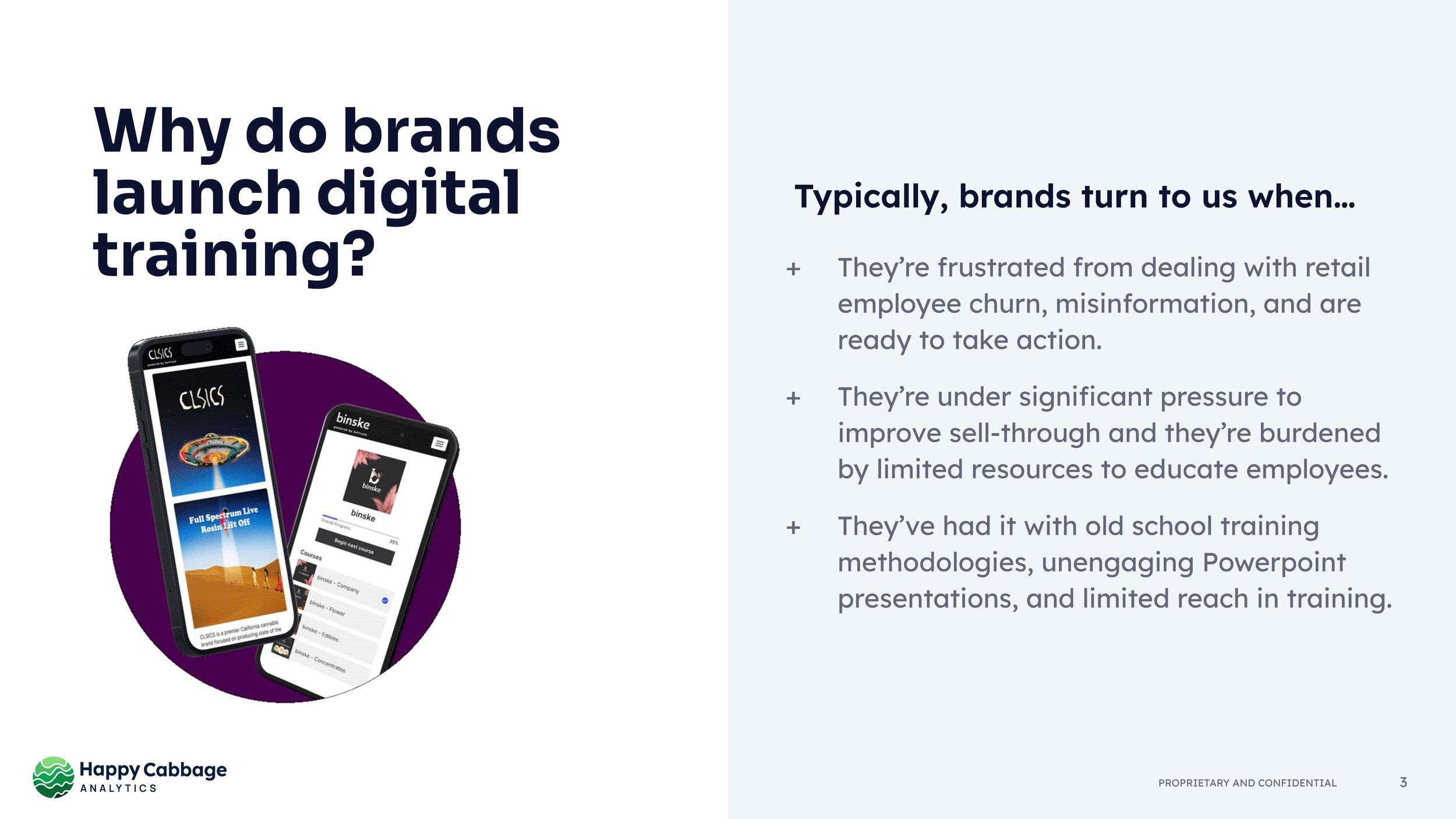
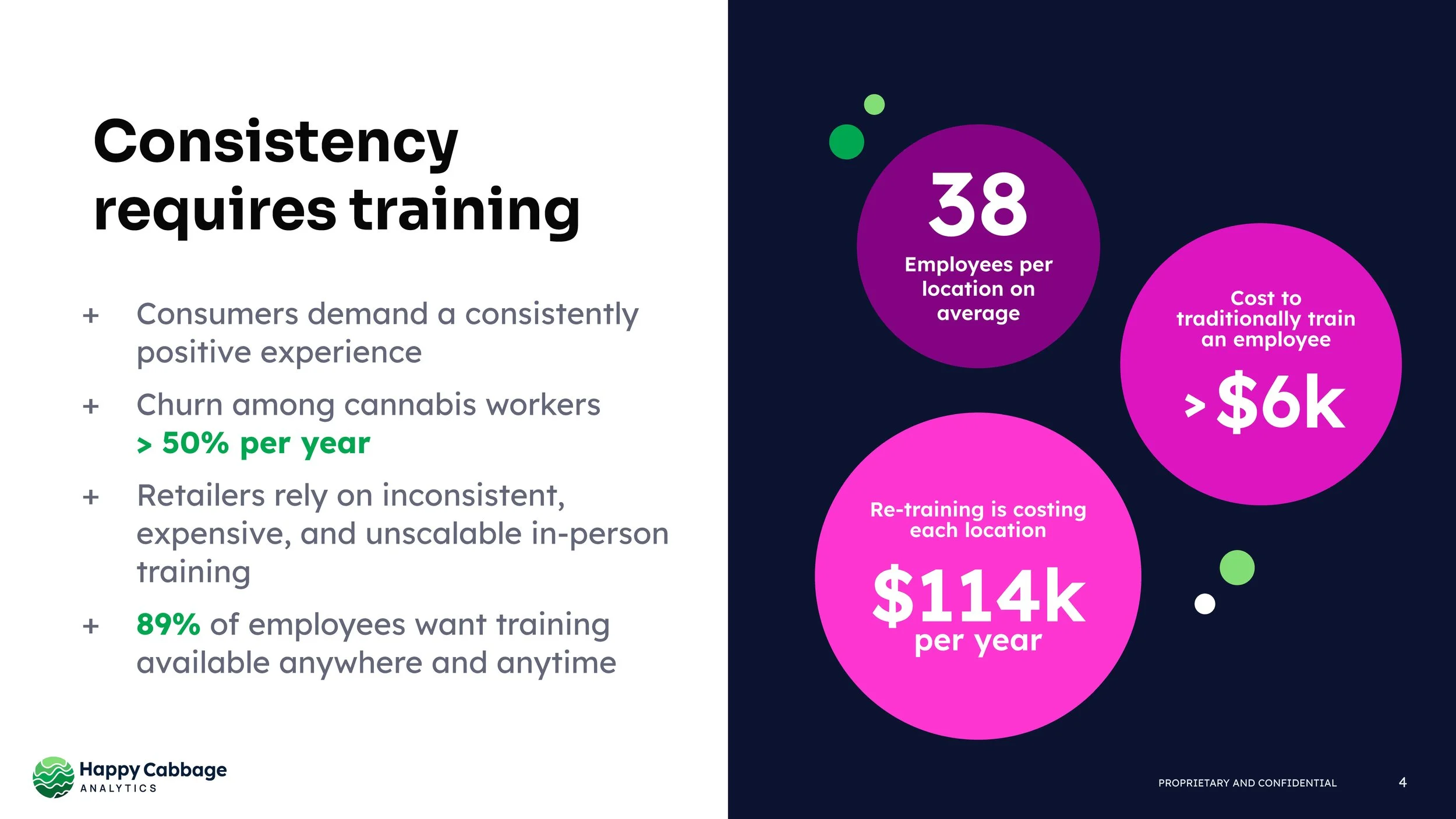
Cannabis brands struggled to consistently educate retail employees. Traditional training relied on sales representatives visiting dispensaries in person, a process that was expensive, difficult to scale, and ineffective in an industry with high employee turnover.
Our challenge was to transform complex product education into engaging, mobile-first learning experiences that brands could easily distribute, retailers could measure, and budtenders actually wanted to complete.
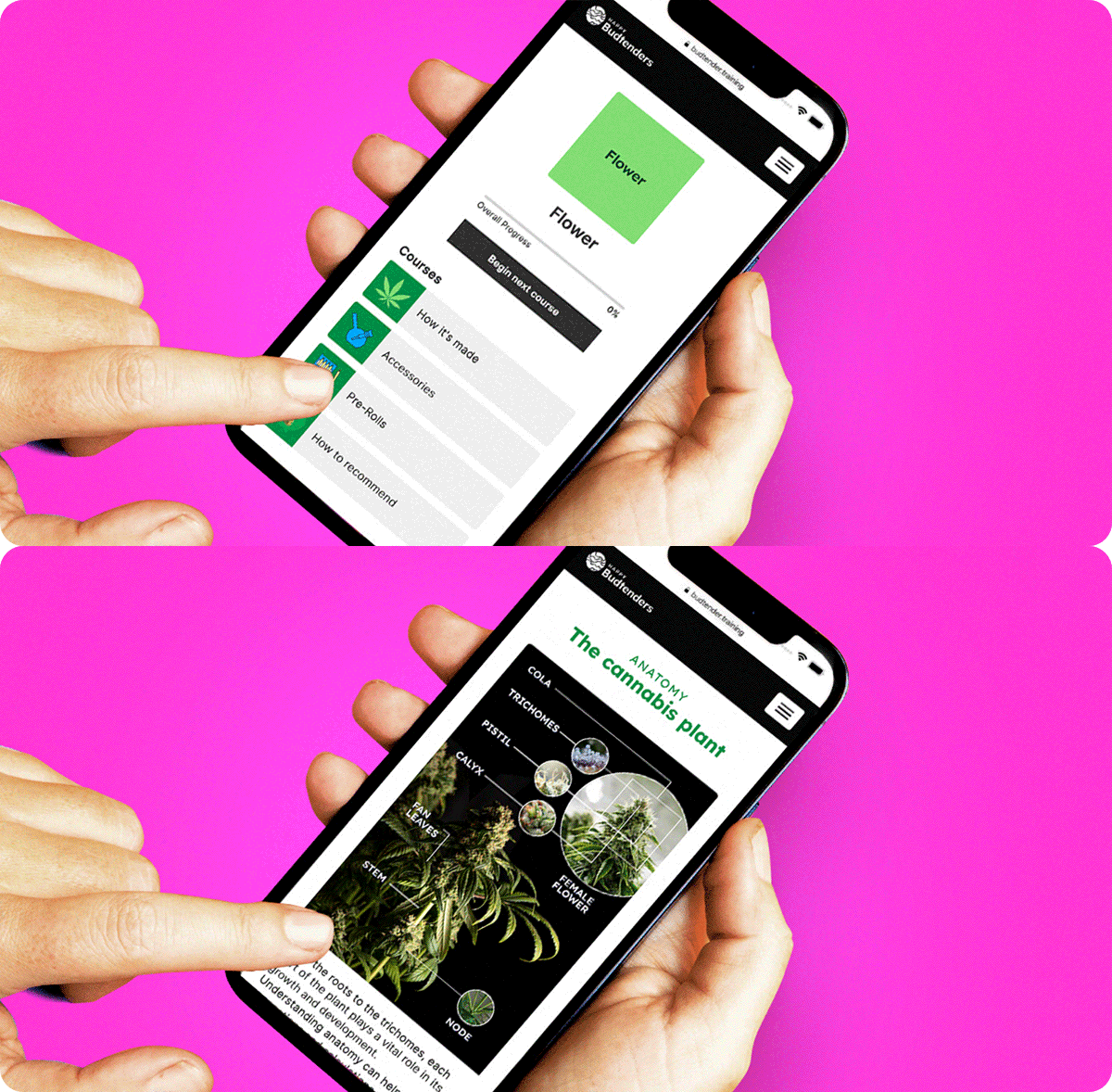
Designing Education People Wanted to Complete
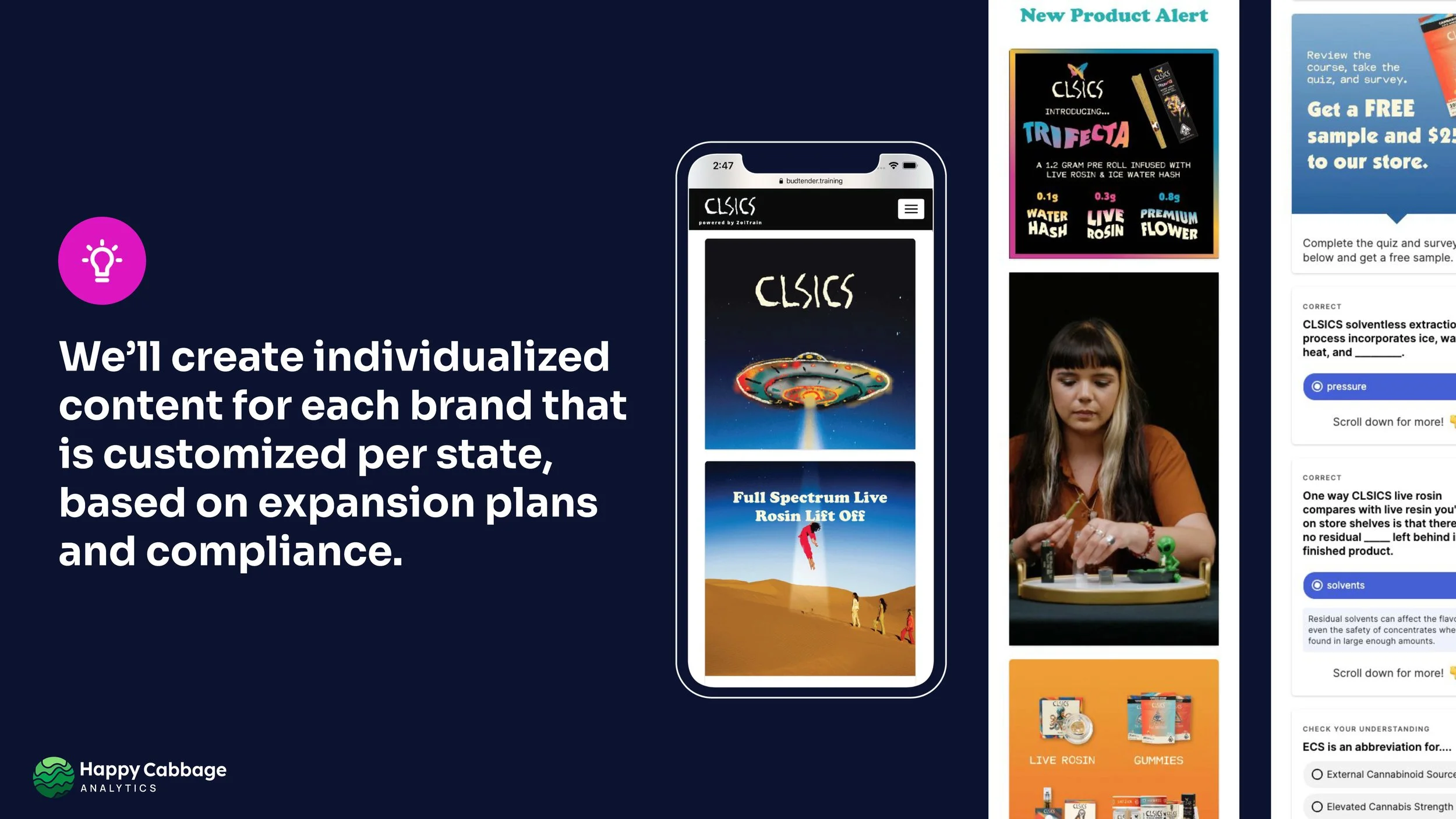
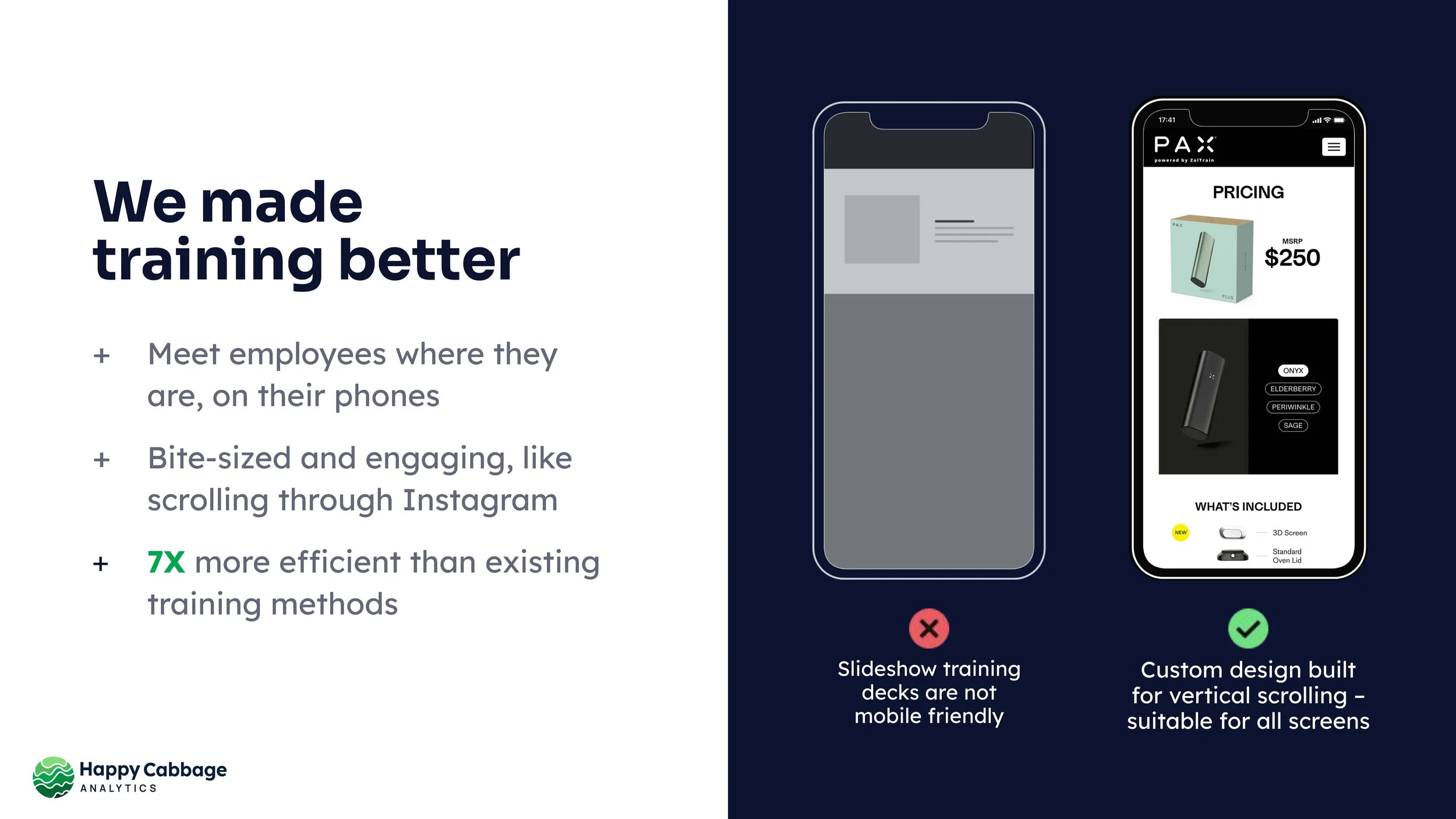
Cannabis products are complex, but training didn't have to be. I transformed dense product information into engaging, mobile-first learning experiences that were easy to understand and enjoyable to complete.
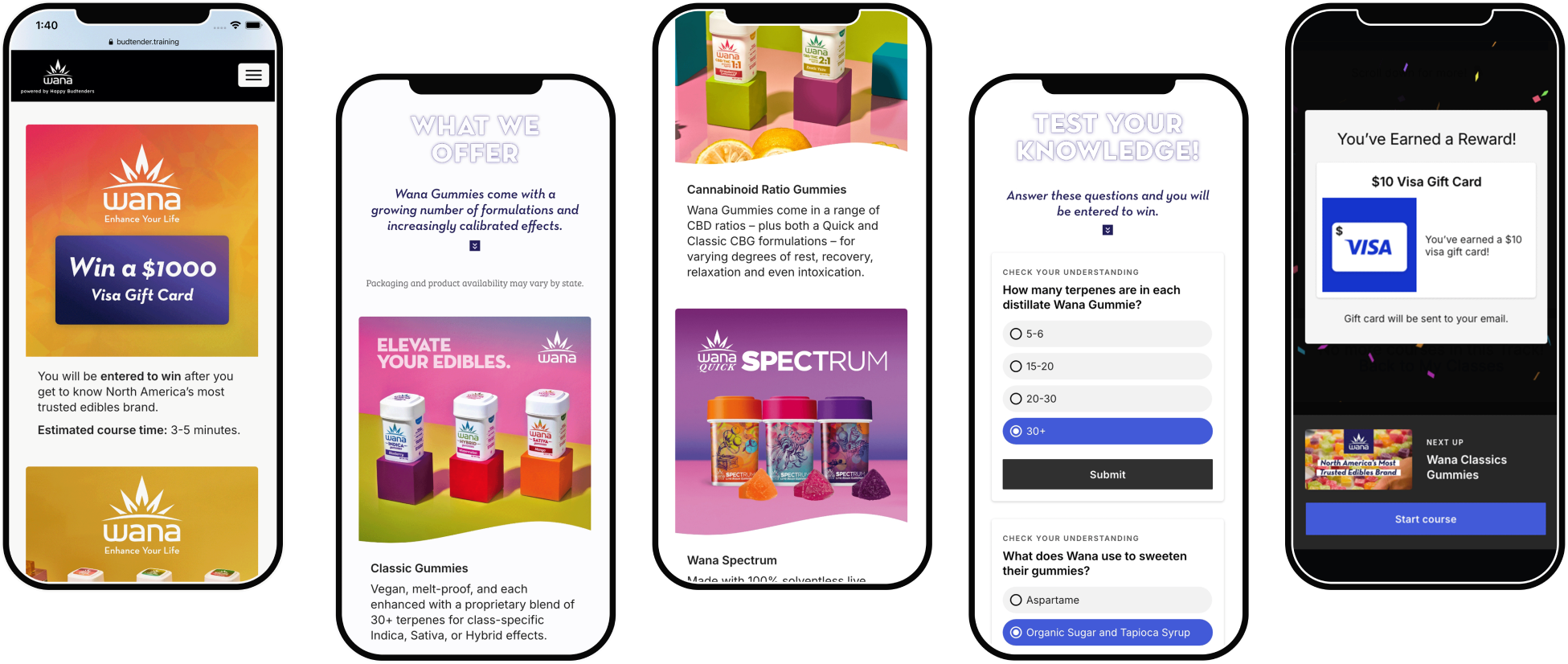
Each course was custom designed for the brand, combining photography, illustration, animation, interactive content, quizzes, and rewards into an experience that felt more like scrolling through social media than traditional corporate training. My goal was to make learning memorable while helping budtenders build confidence recommending products.
One Platform, Three Different Users
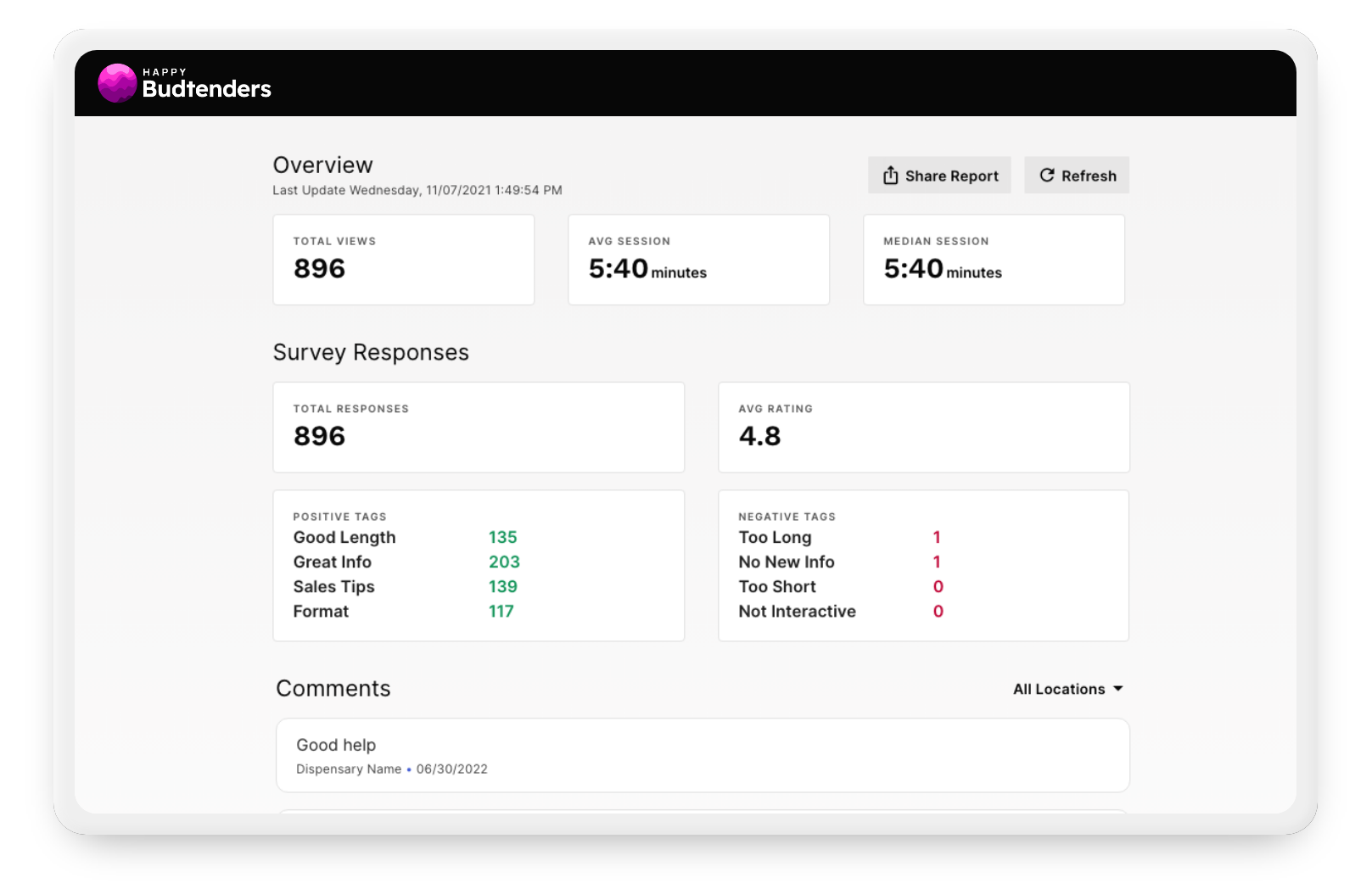
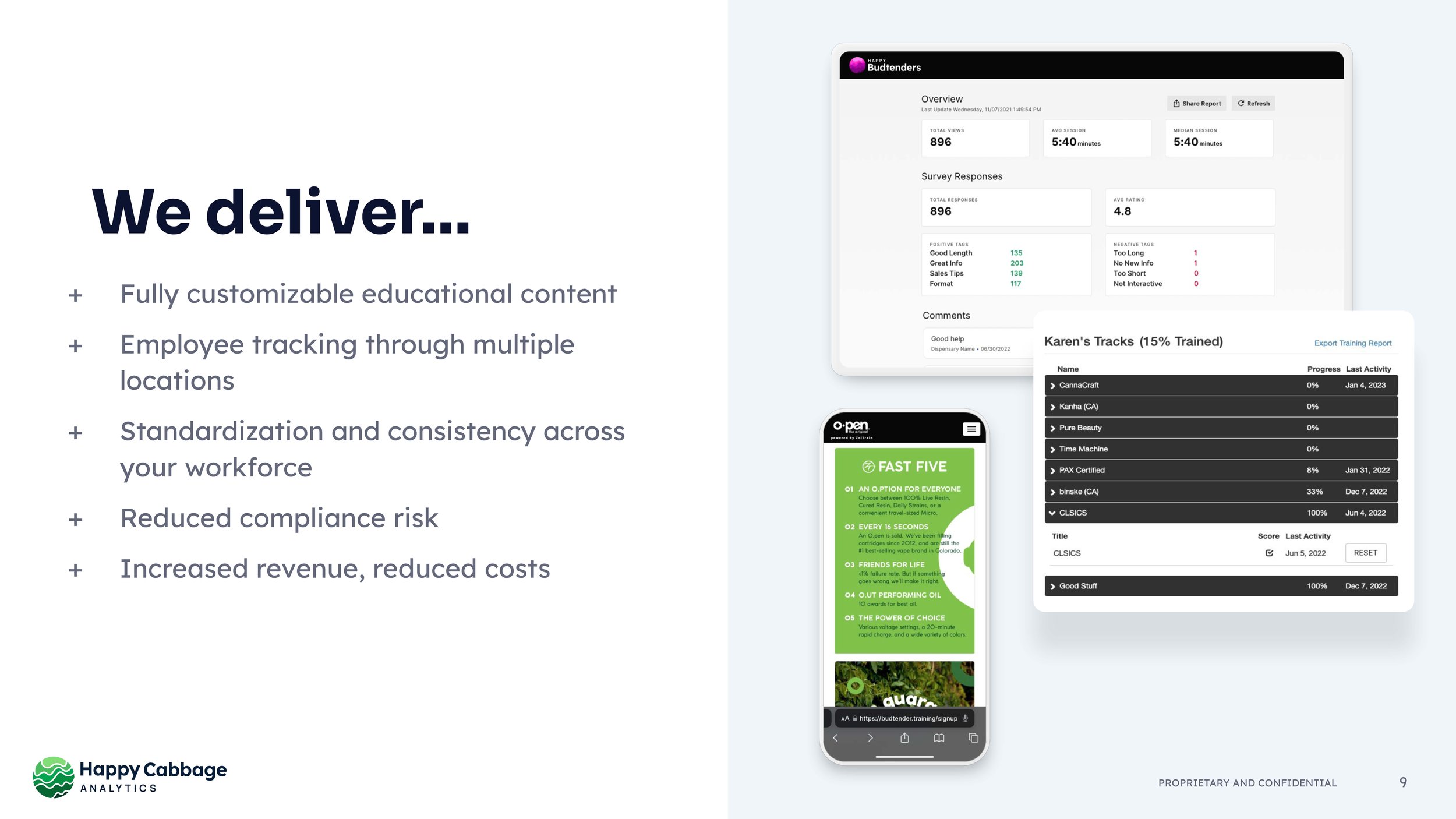
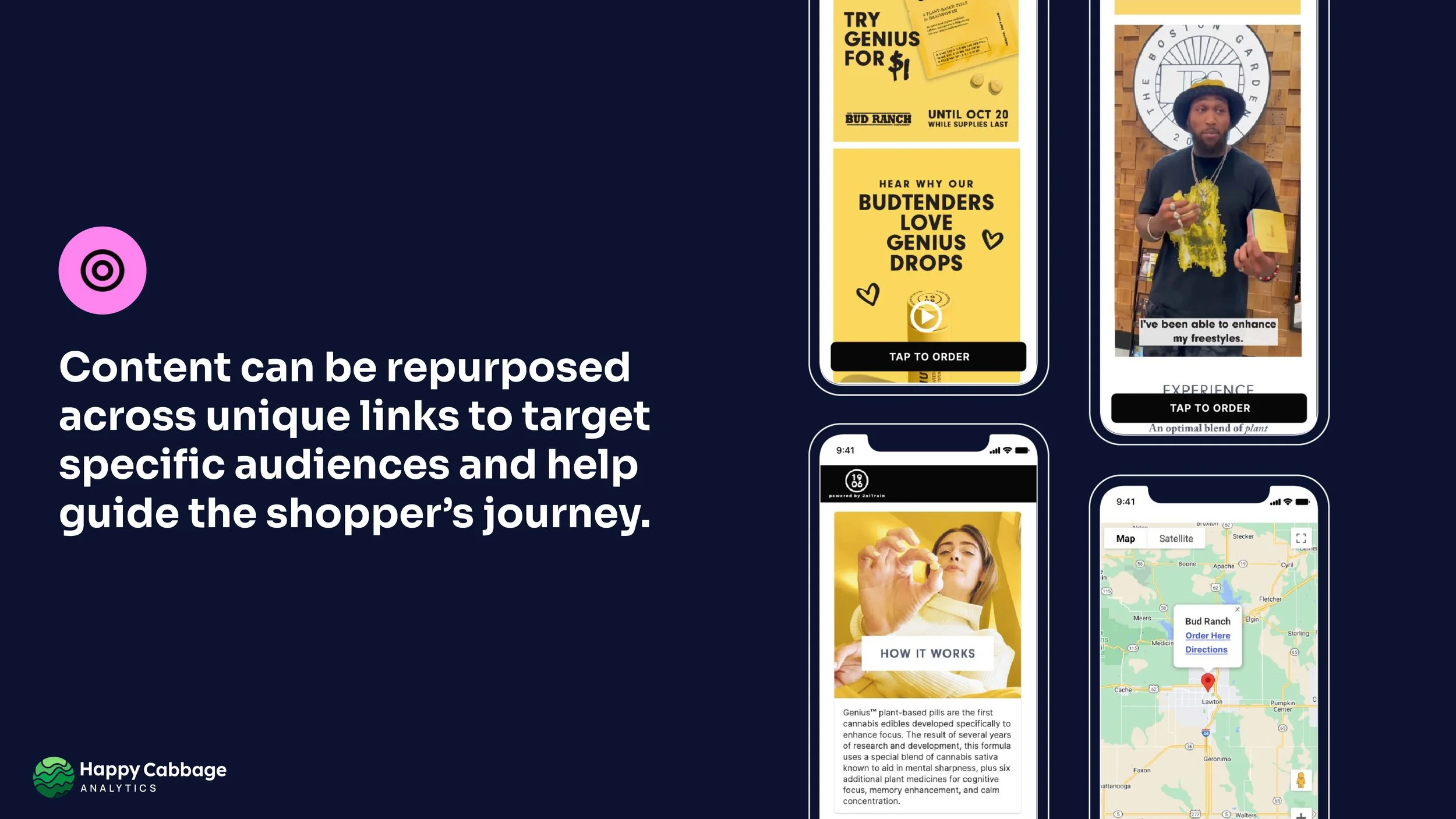
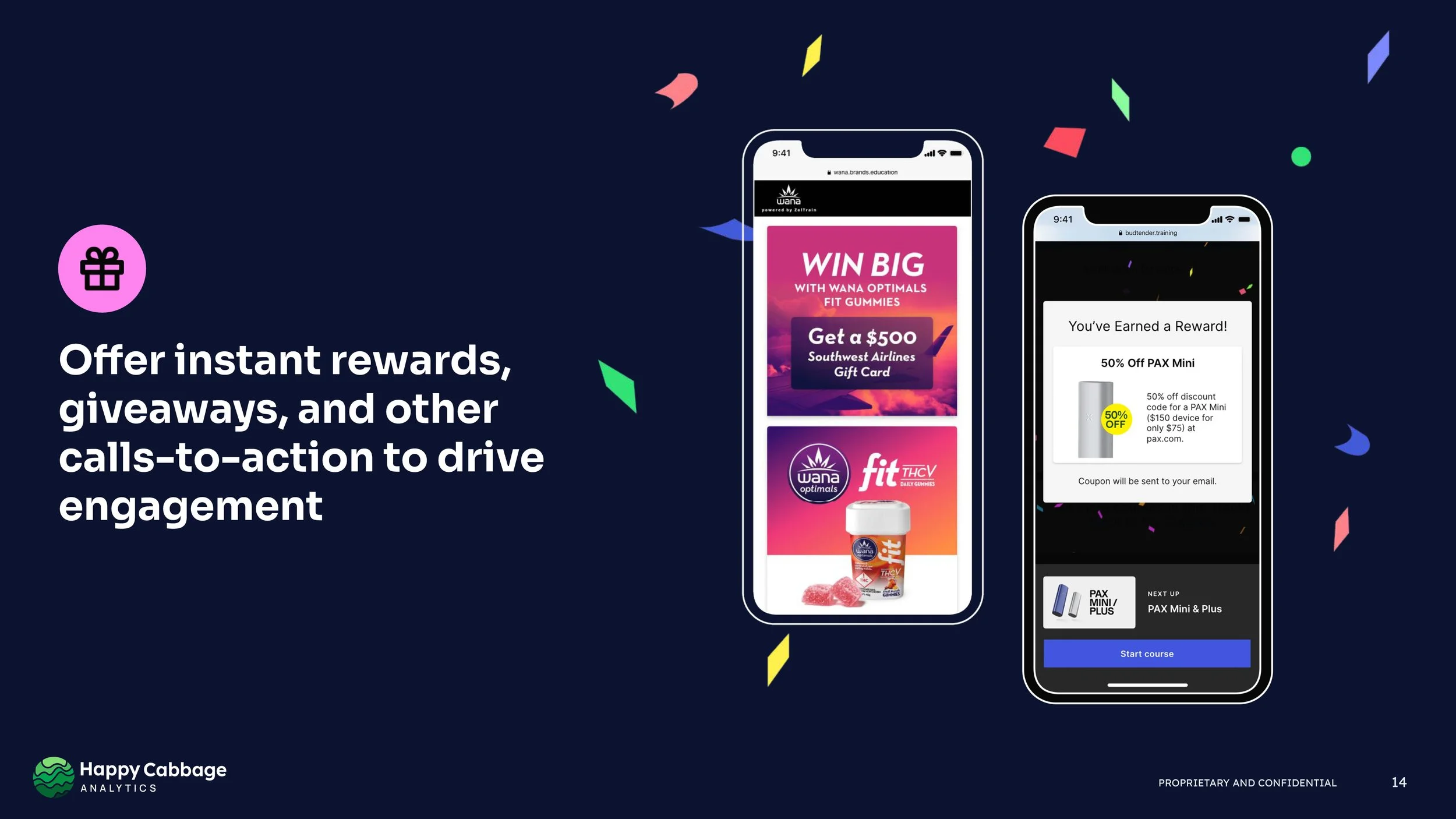
Happy Budtenders supported three unique audiences, each with very different goals. Budtenders completed courses and earned rewards, retailers monitored employee progress and performance, and brands created educational content while measuring engagement.
I designed across each part of the ecosystem, creating reusable UI components, navigation patterns, dashboards, course cards, and layouts that delivered a consistent experience while supporting the unique needs of every user.
Award-Winning Education

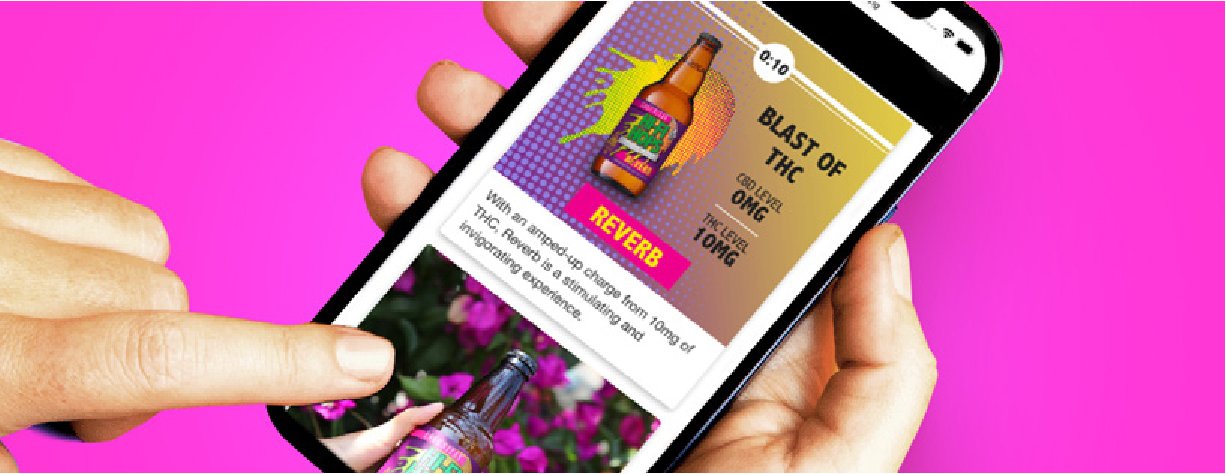
67% Sales Lift, One Silver Clio
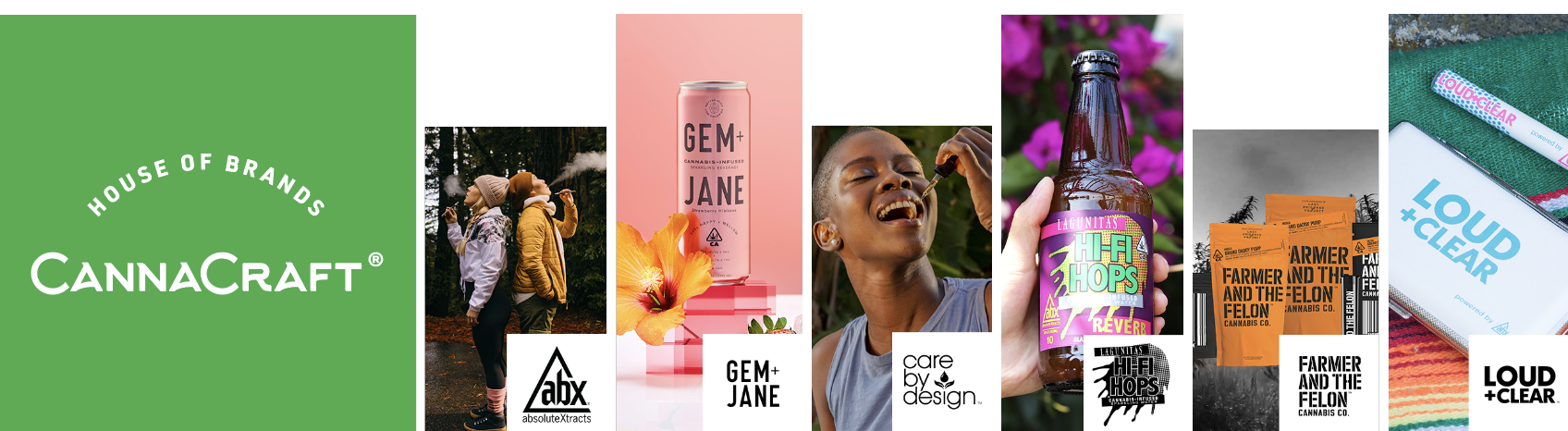
This training approach drove a 67% average sales lift across 100+ cannabis brands. CannaCraft Academy's program is one of them, and it went on to receive a 2021 Silver Clio Cannabis Award for Budtender Training in a Social Media Format, recognized for an innovative approach to mobile-first education that made cannabis training more engaging, accessible, and memorable.
One interface, built to hold any brand
Happy Budtenders runs consumer education campaigns for cannabis brands, each one asking a budtender or first-time buyer to learn something about the product before they trust it or sell it. I designed the campaign templates this section is built on, then adapted it brand by brand so ALT and Pure Beauty each feel distinct while sharing the same underlying system: a mobile-first course flow, a numbered feature breakdown, and a social-style carousel that was real Instagram content.
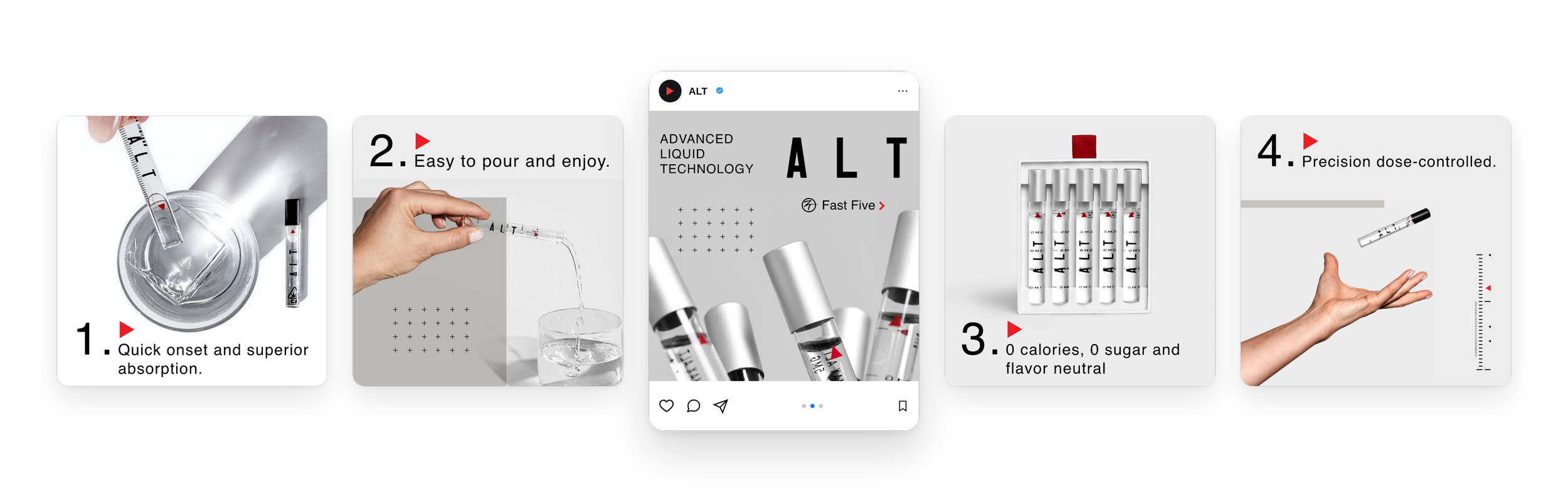
ALT—Advanced Liquid Technology
ALT is a liquid dosing product, which means the design's first job is making something technical feel approachable. I broke the product down into a simple four-step sequence, from pouring to onset, so a new user could understand exactly how it works before they ever picked it up. The scrolling course page walks through that sequence alongside the gift card incentive that drives people to finish it.
Pure Beauty—Sustainability, Told Simply
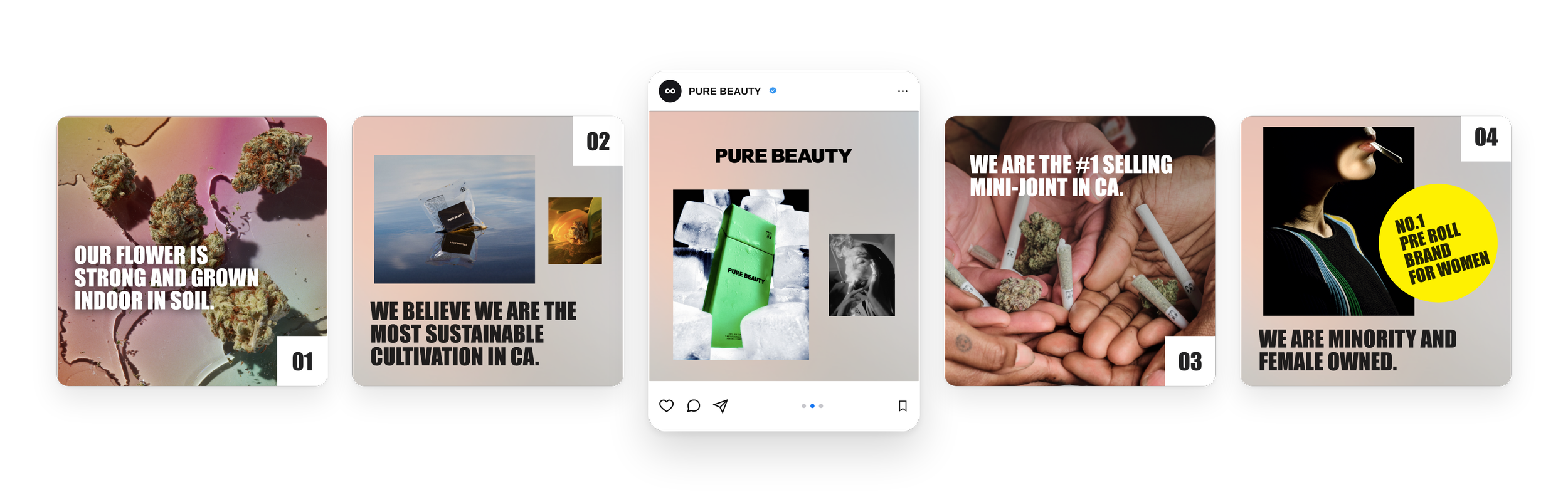
Pure Beauty needed the opposite problem solved: the product itself is simple, a preroll, but the brand story behind it (sustainable indoor cultivation, minority and female ownership, market position as the top-selling mini joint in California) is what needed the spotlight. I built the same course template around that story instead of a usage sequence, so the format flexes to whatever each brand actually needs to say.
Making a Complex Platform Easy to Use
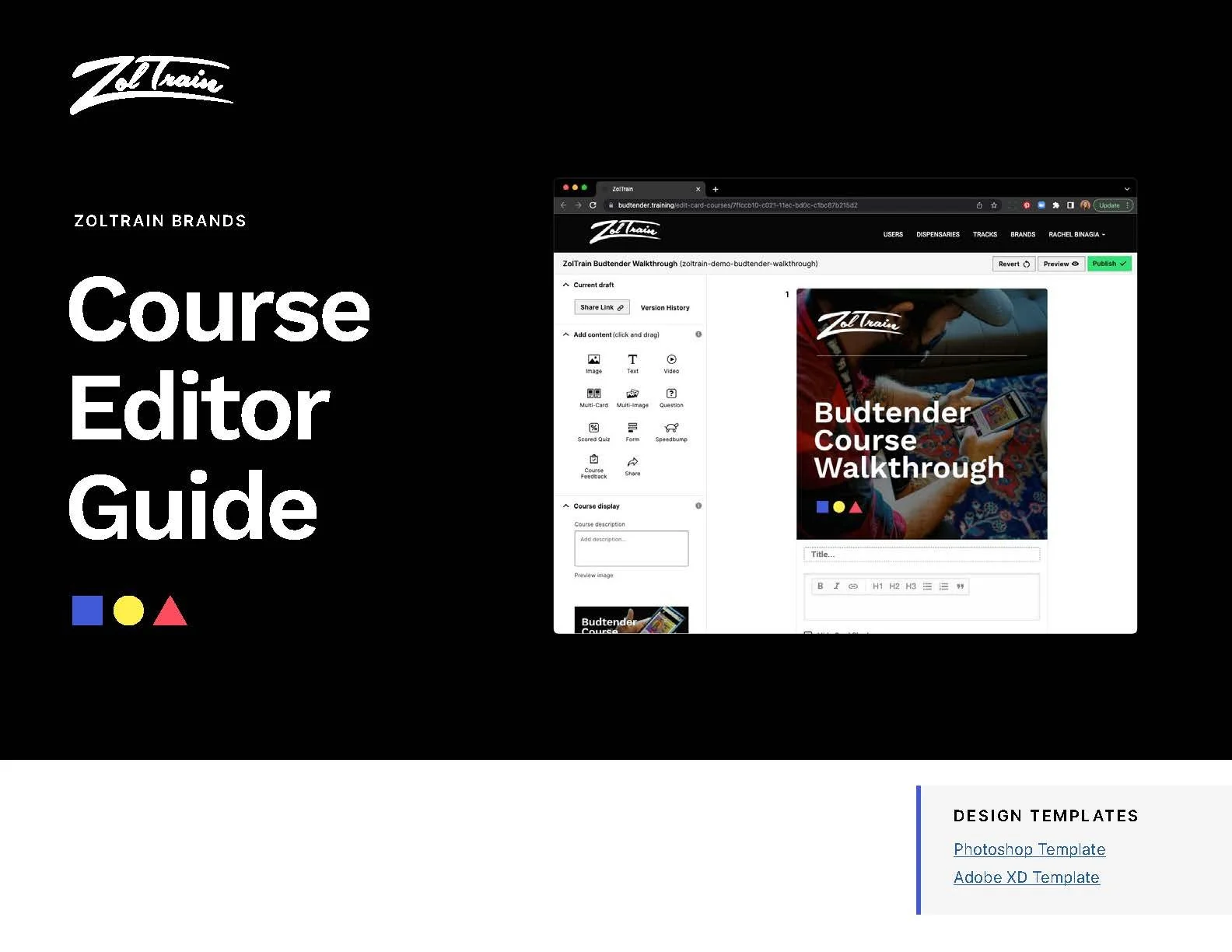
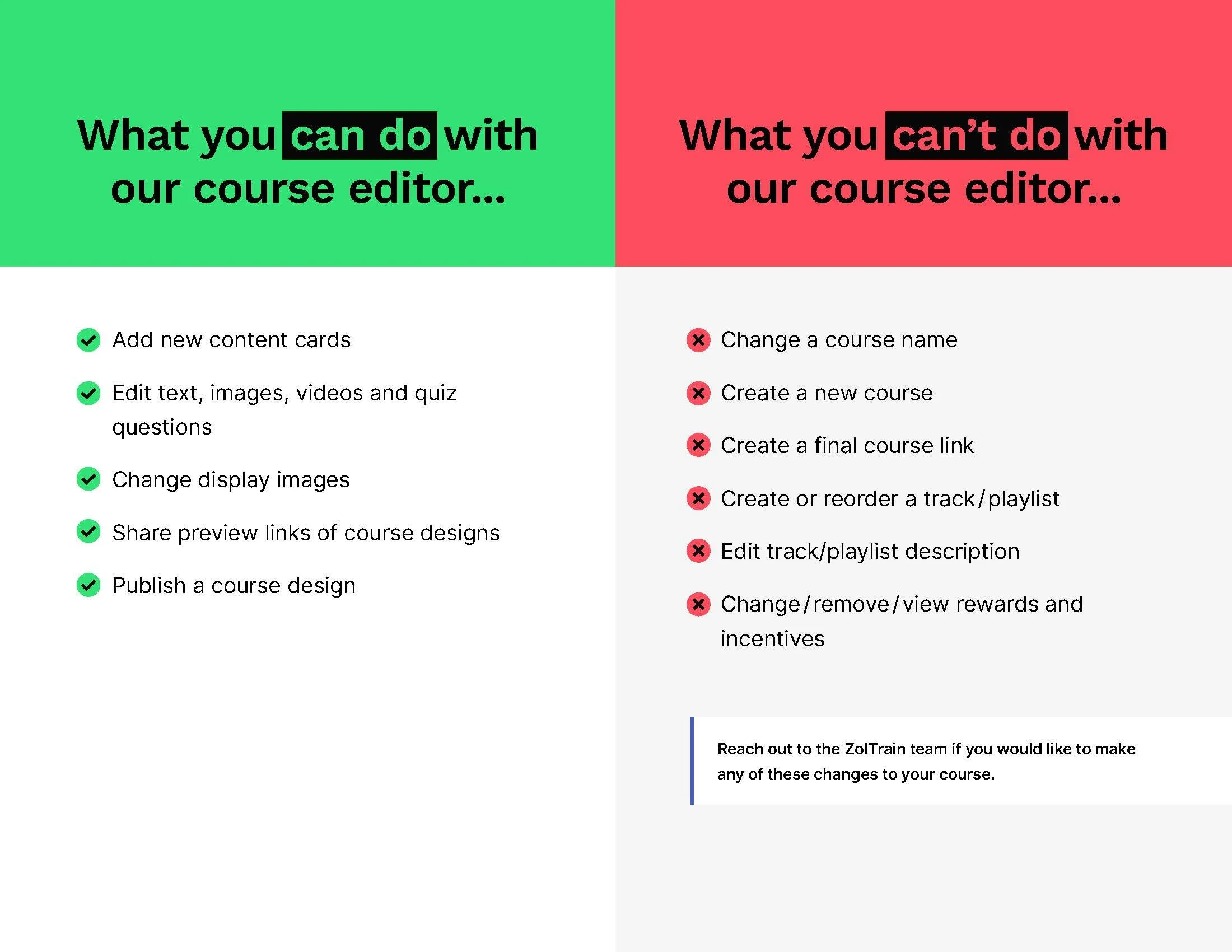
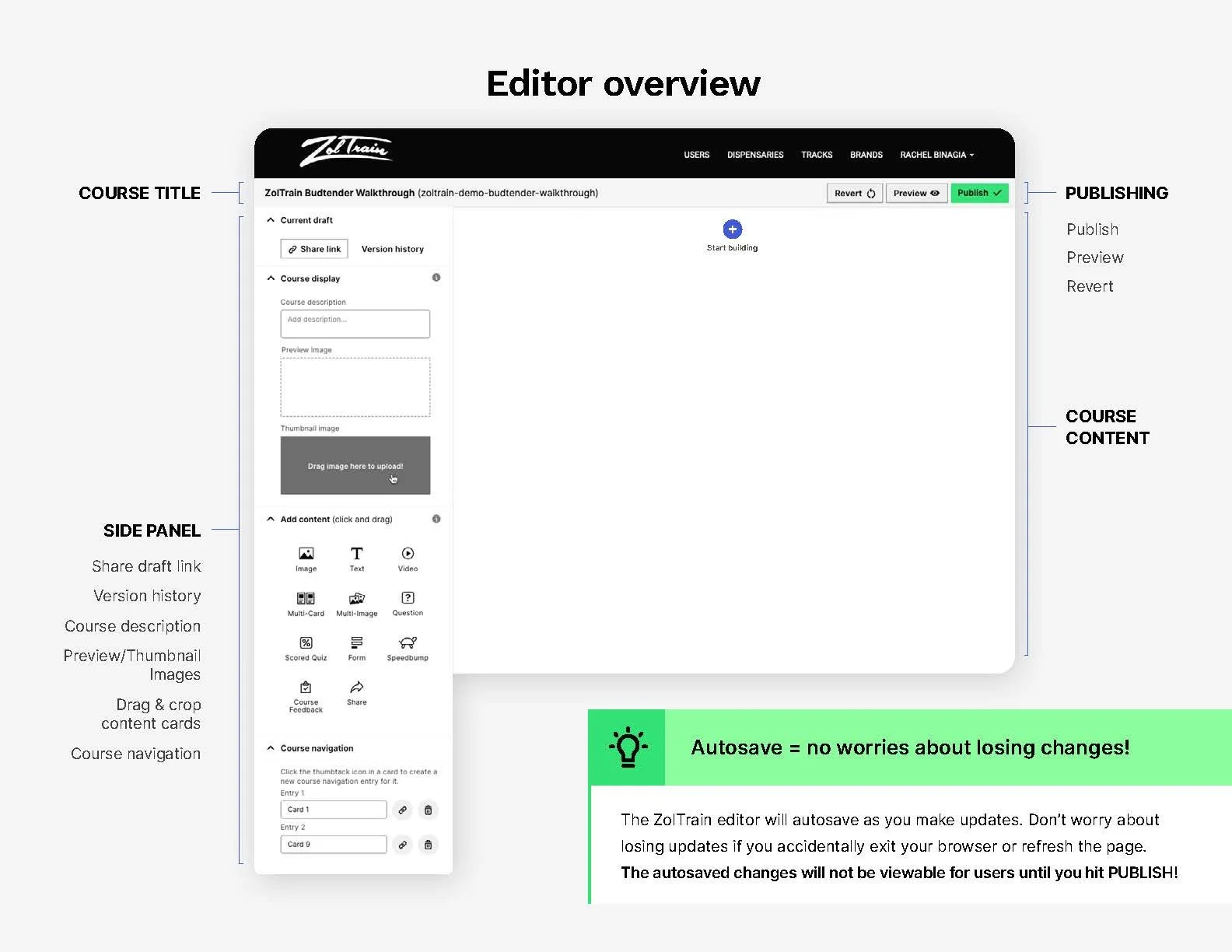
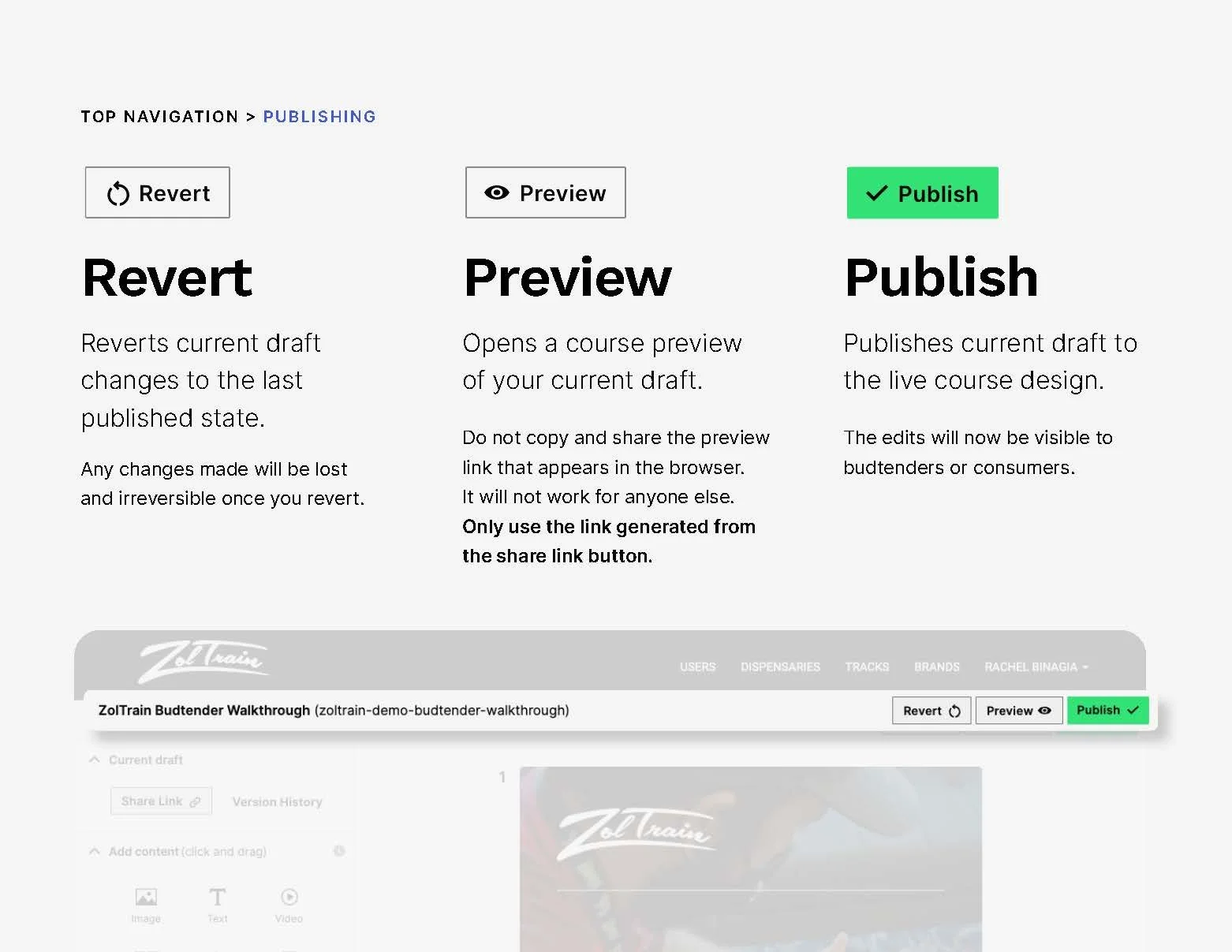
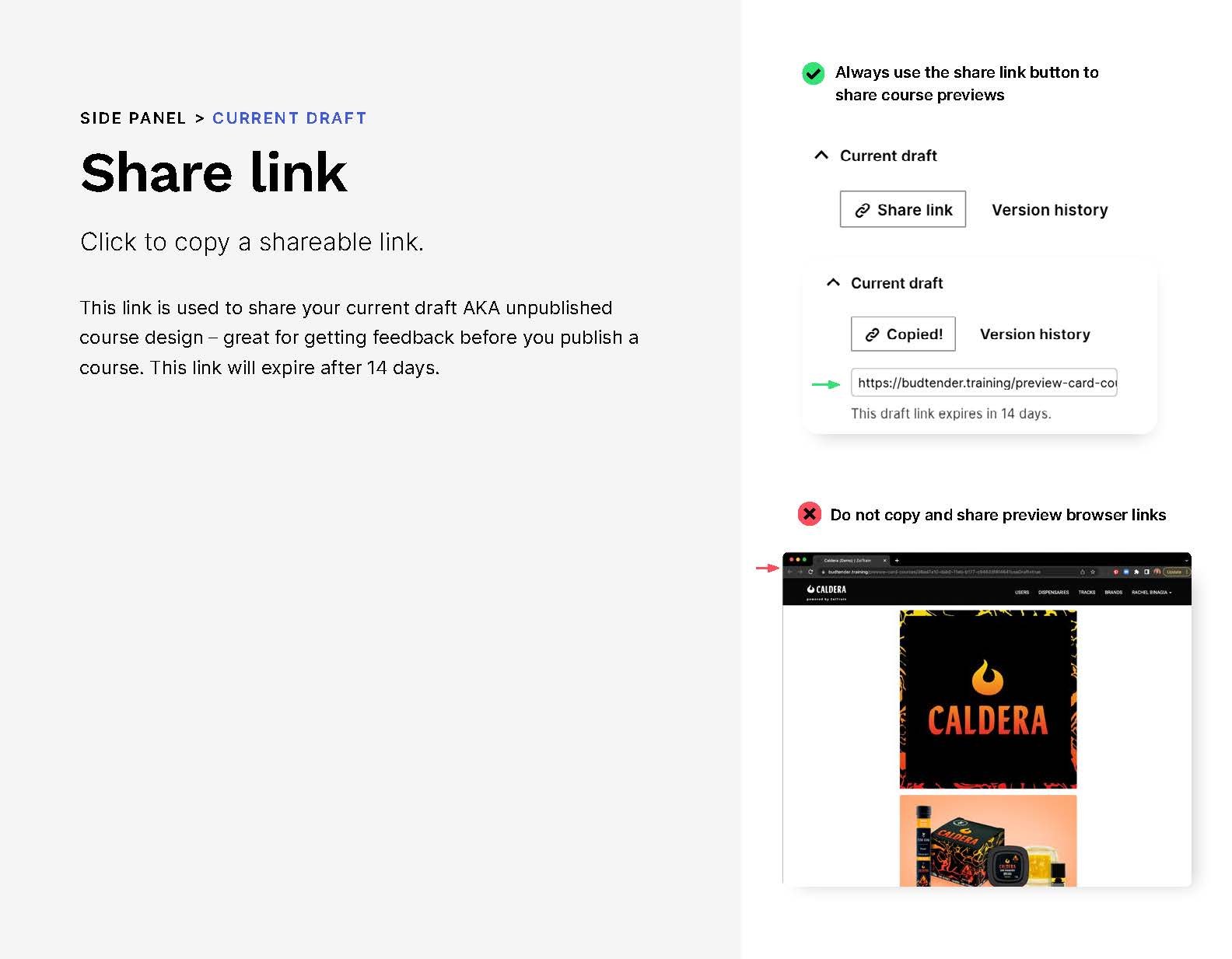
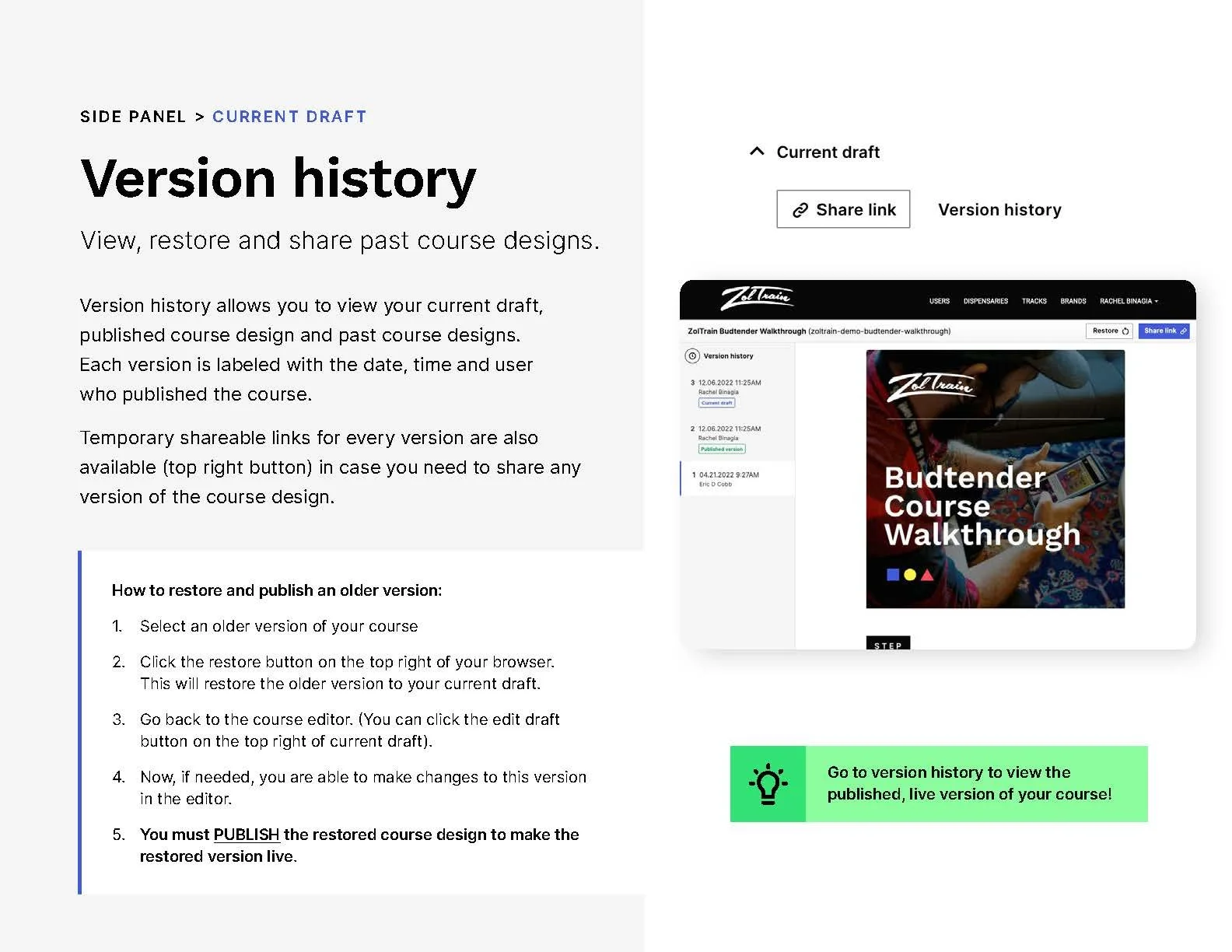
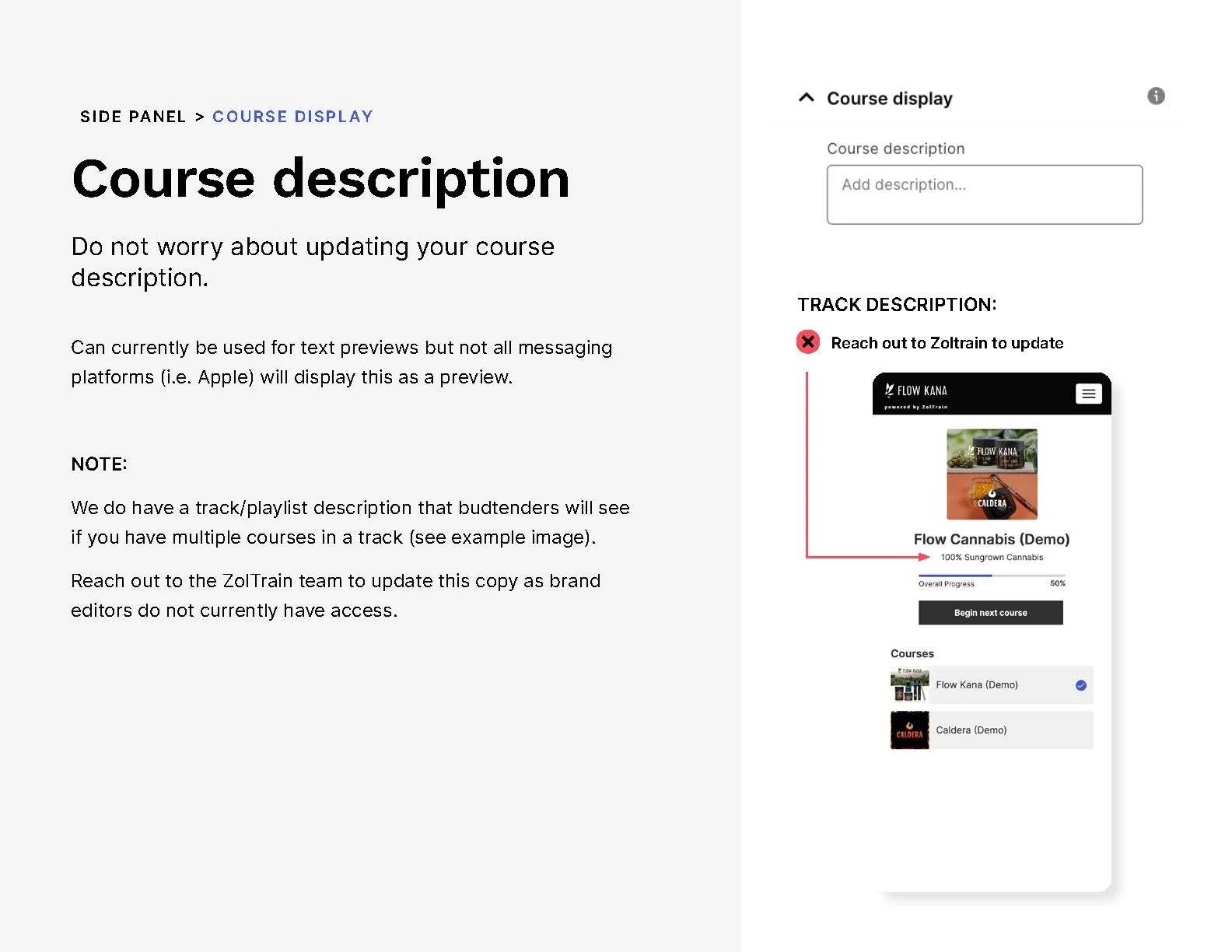
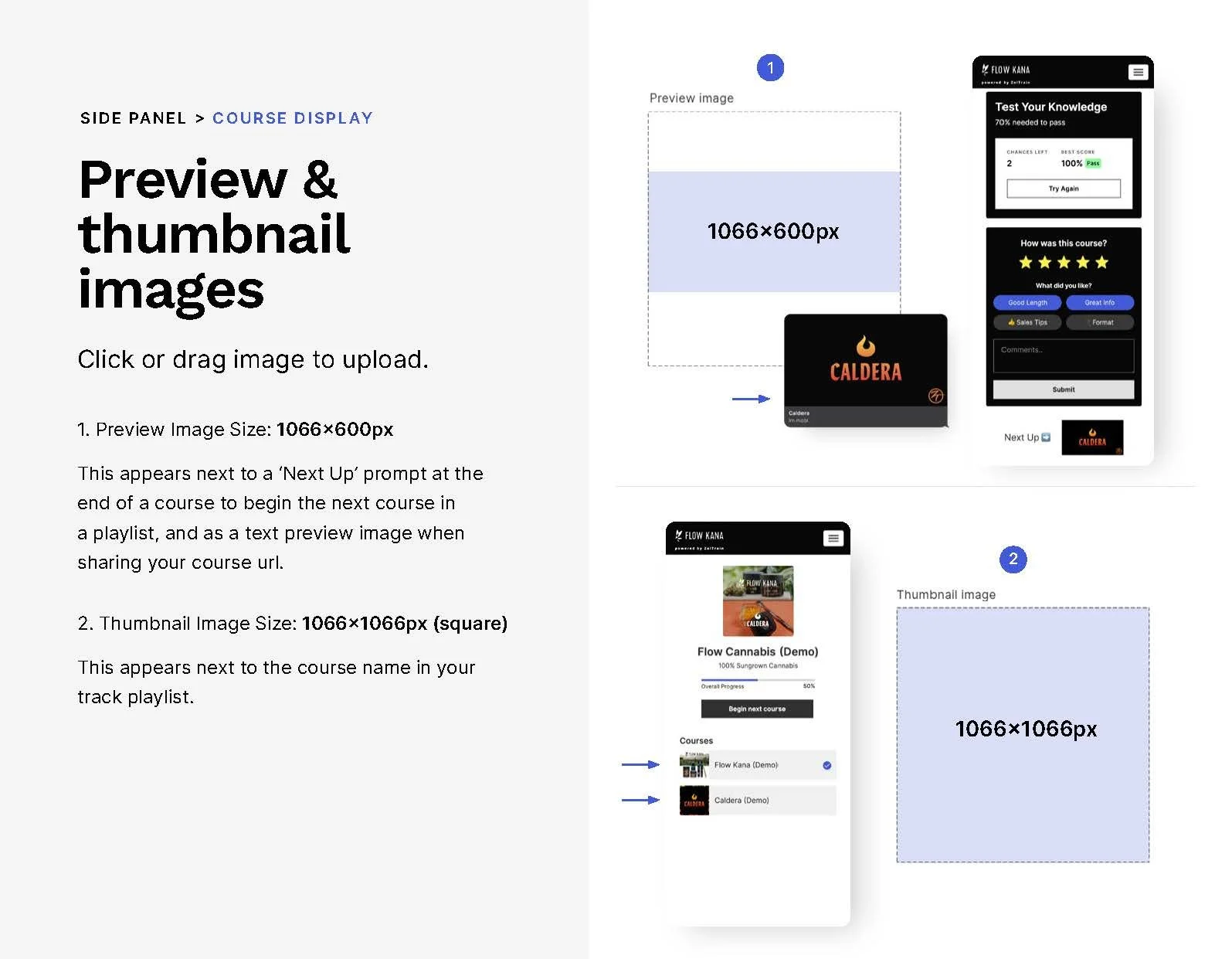
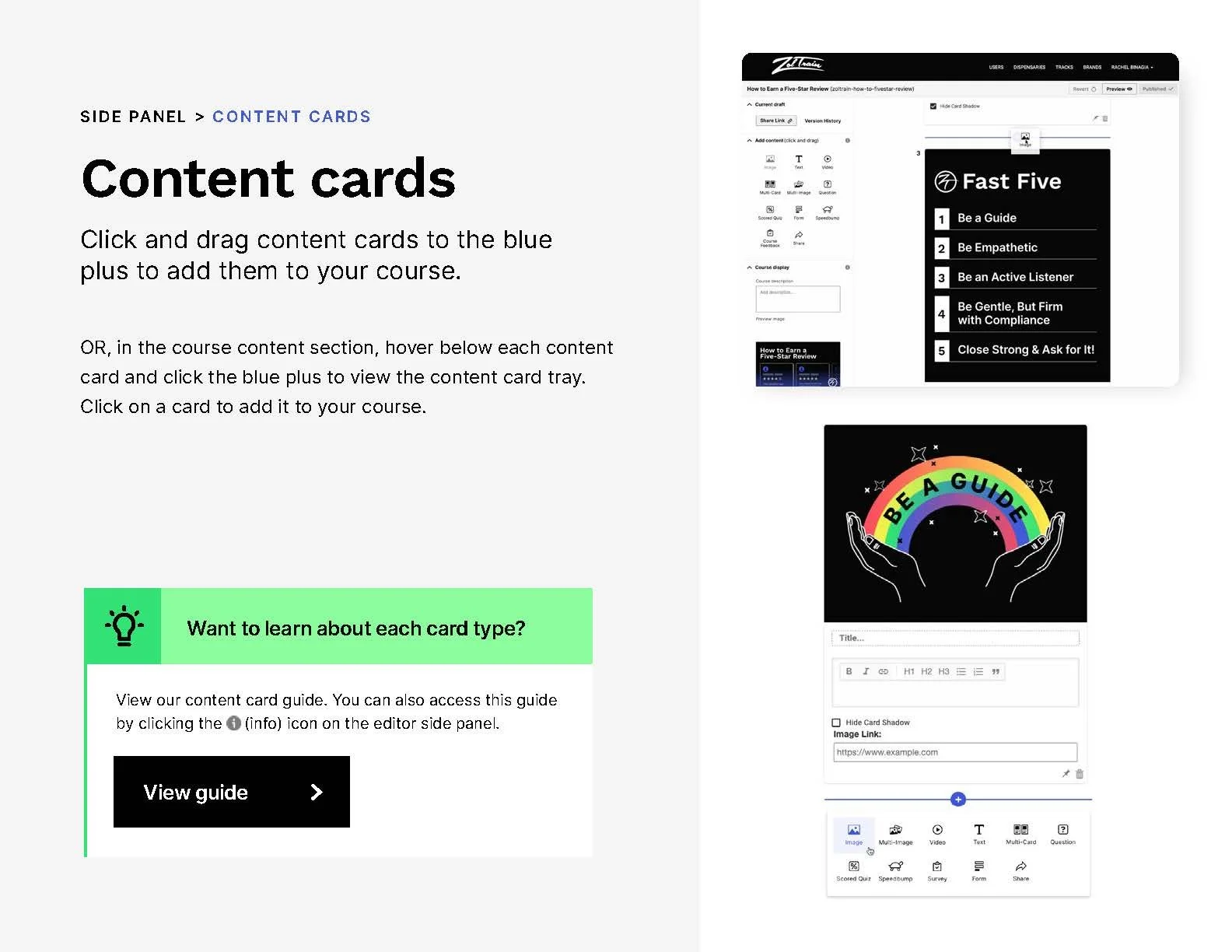
A powerful platform is only valuable if people know how to use it. I designed comprehensive editor guides, retailer resources, onboarding materials, and presentation decks that transformed complex workflows into clear, approachable documentation.
From publishing courses and organizing playlists to managing rewards, employee progress, and analytics, these resources helped brands and retailers confidently navigate the platform with minimal support.
Evolving ZolTrain Into Happy Budtenders
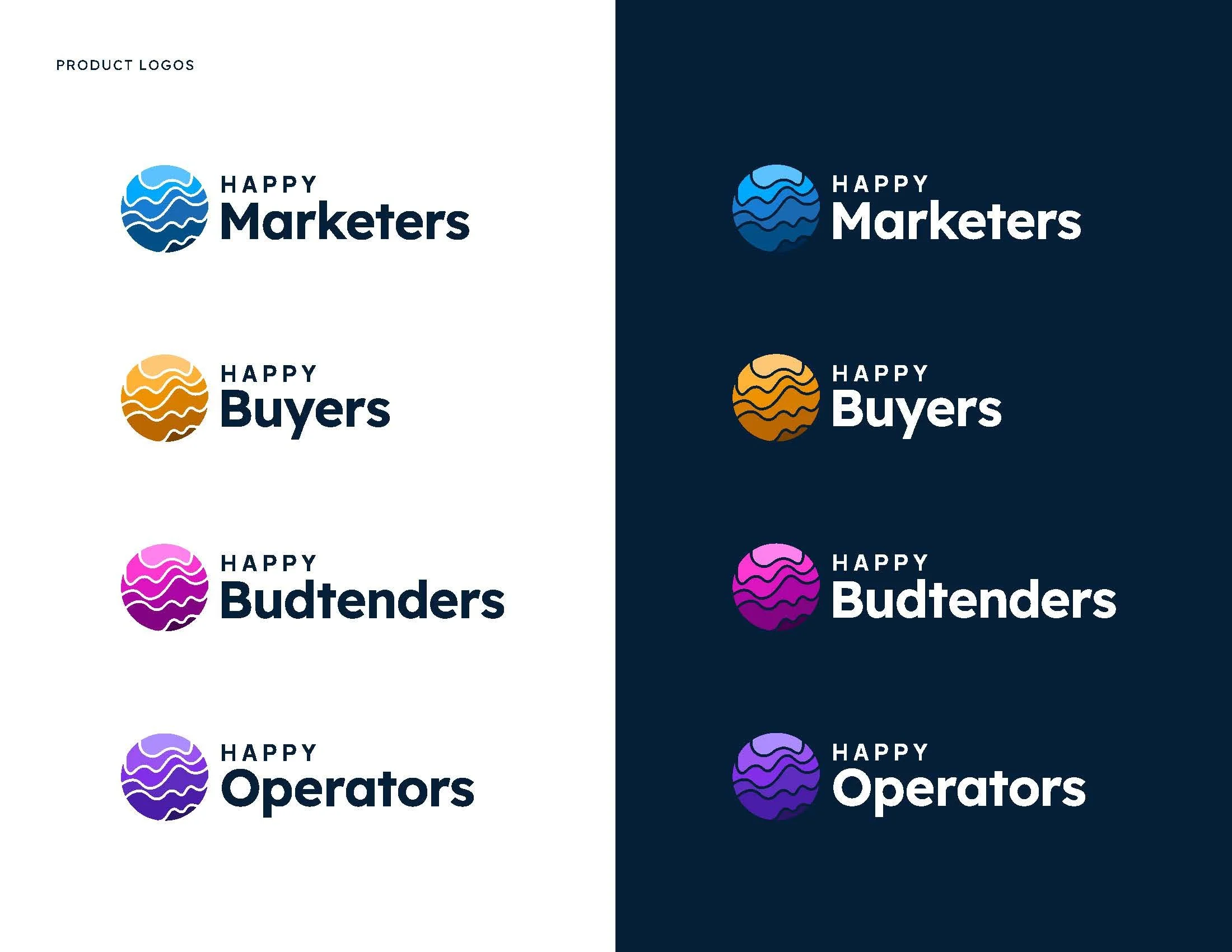
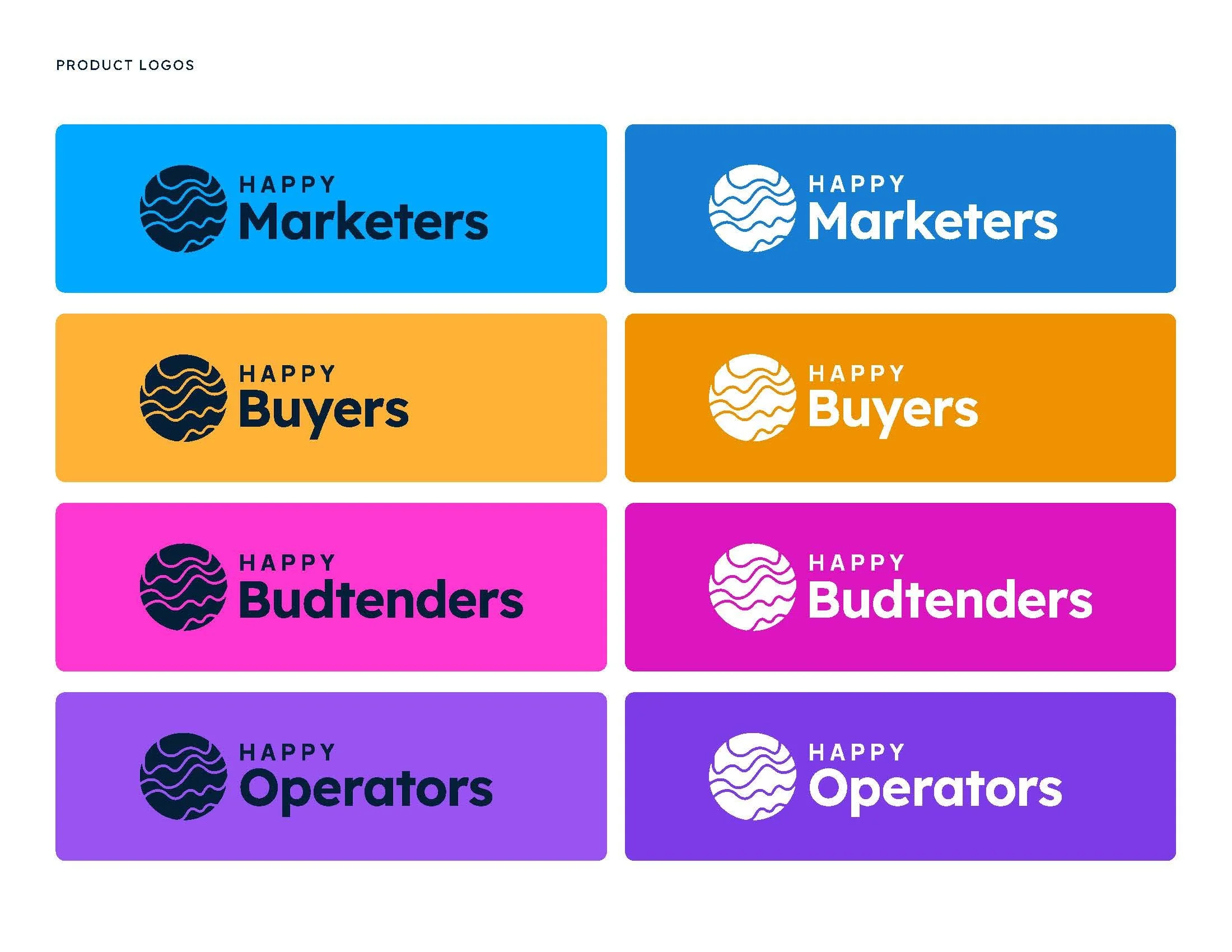
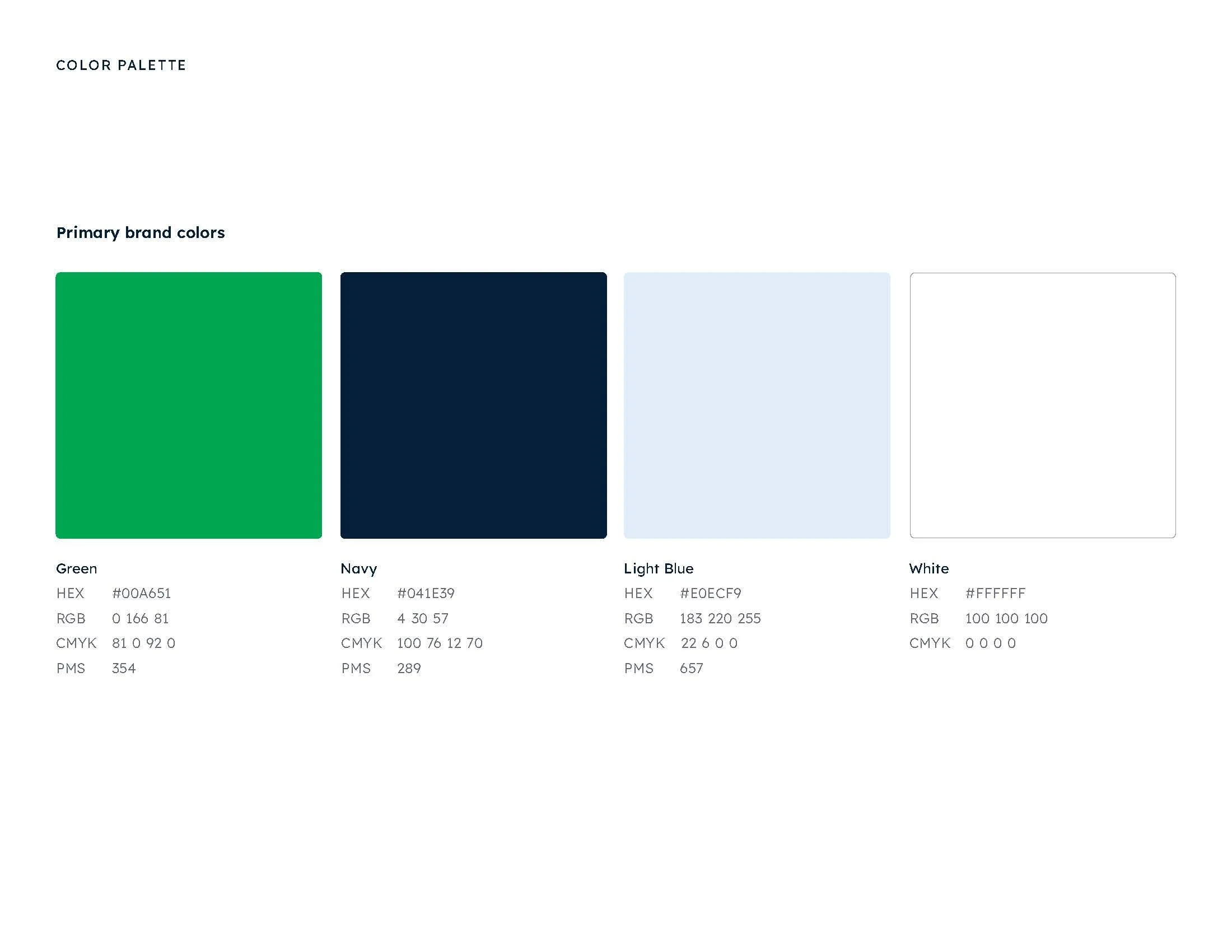
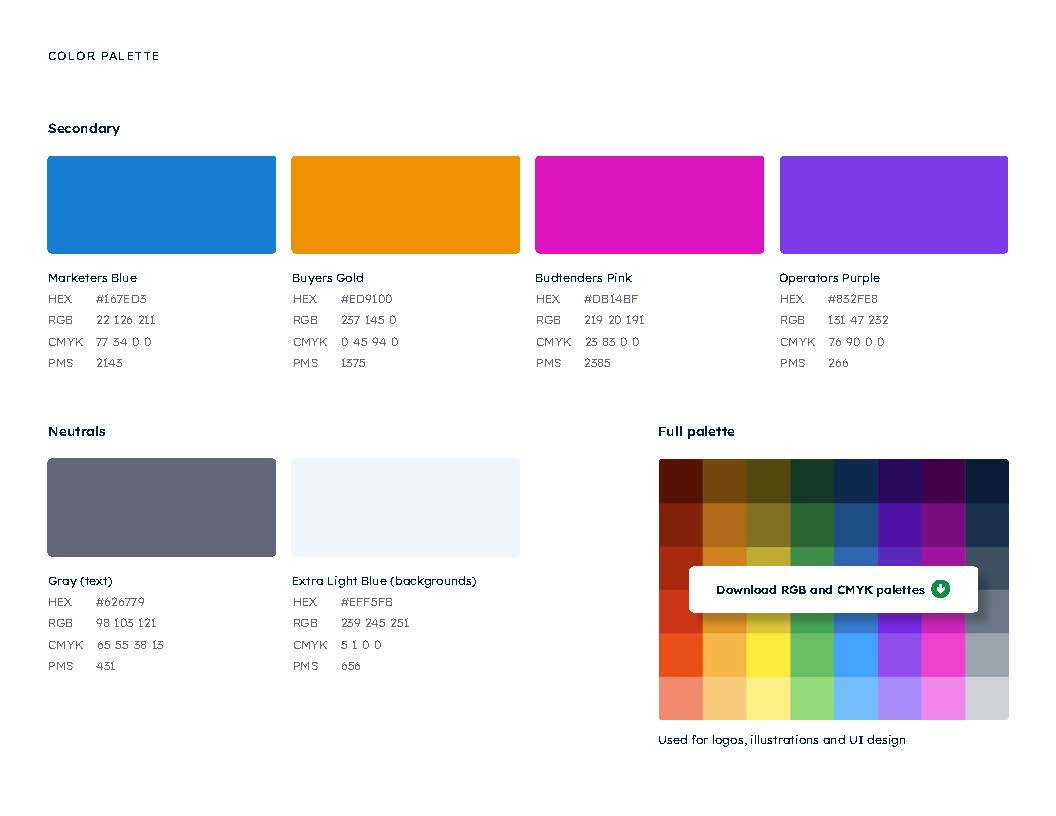
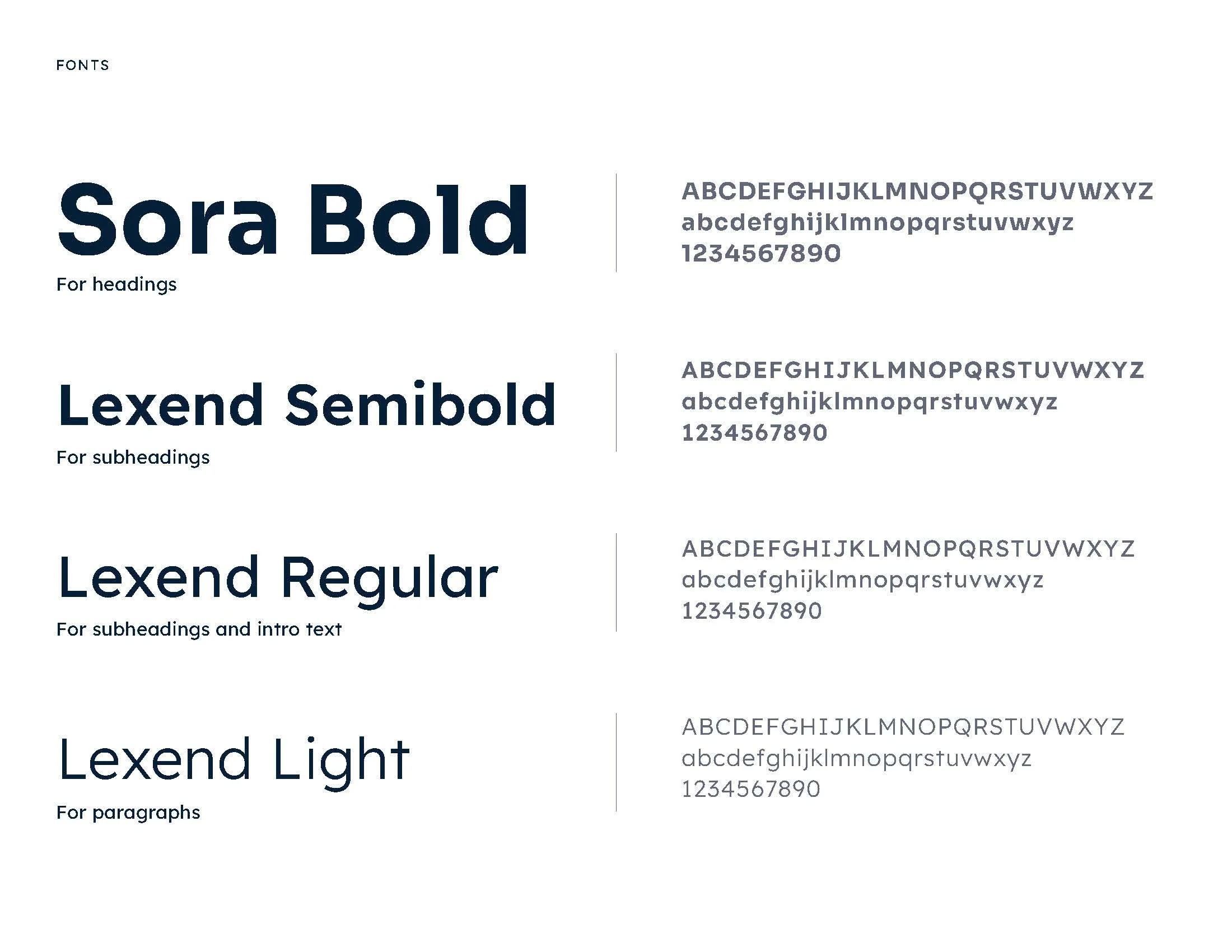
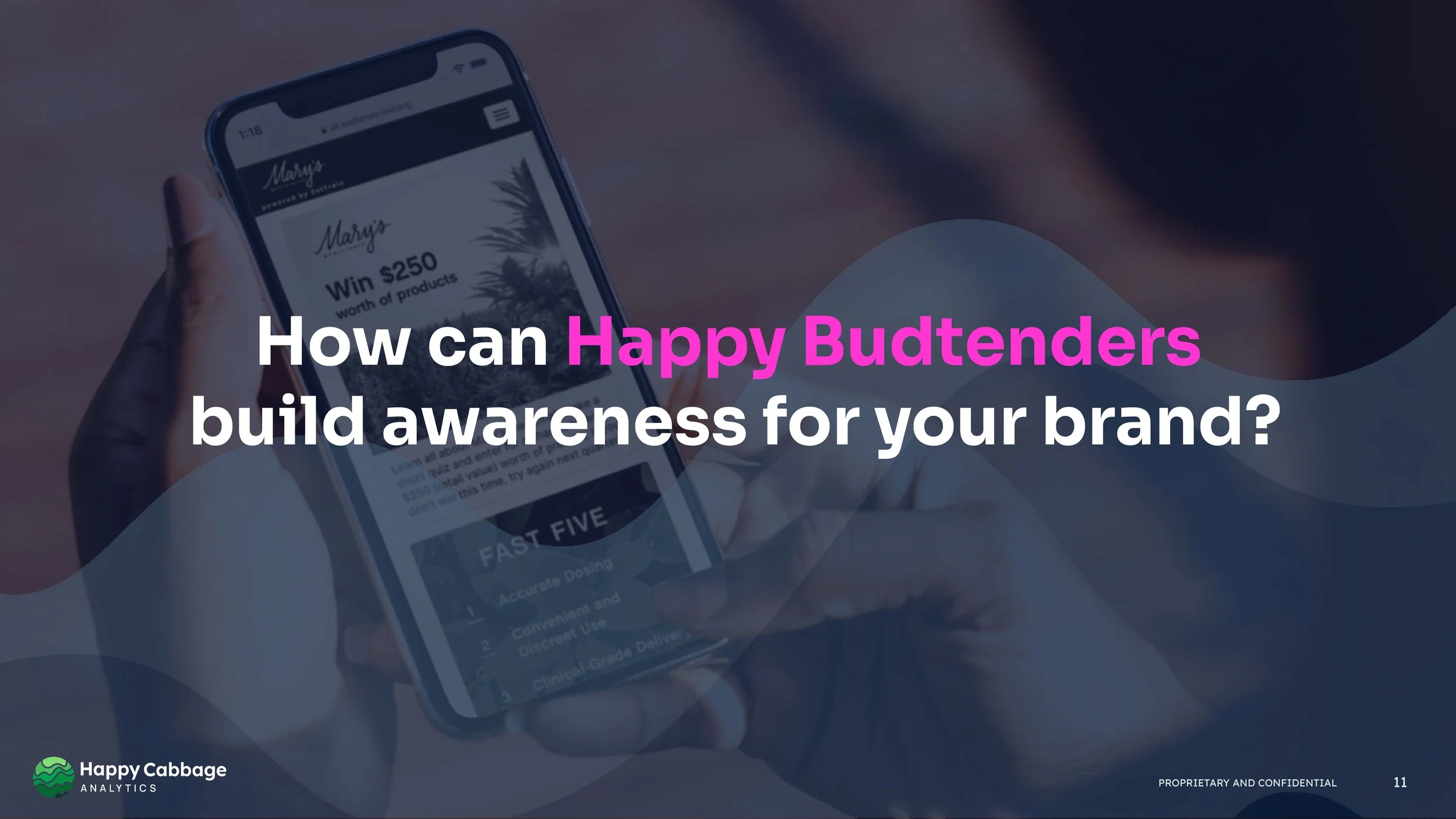
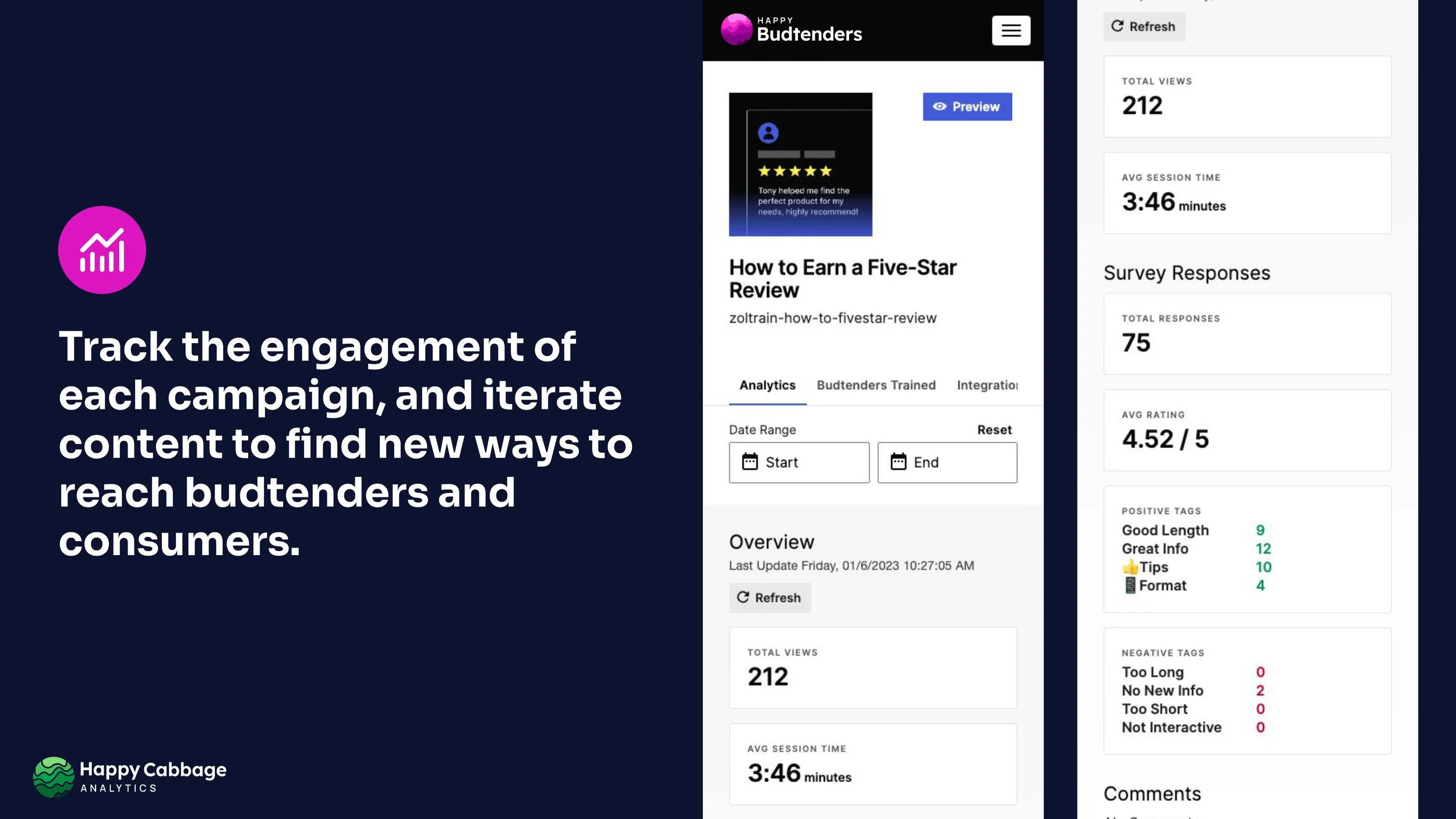
When ZolTrain evolved into Happy Budtenders, the change had to extend far beyond a new logo. I helped translate the new identity throughout the digital product, establishing component styles, card systems, layouts, presentation materials, educational resources, and branded touchpoints across the experience.
The challenge was creating a cohesive platform while still allowing every cannabis brand to retain its own personality. The resulting system gave Happy Budtenders a recognizable identity without overpowering the highly customized course content at the center of the product.
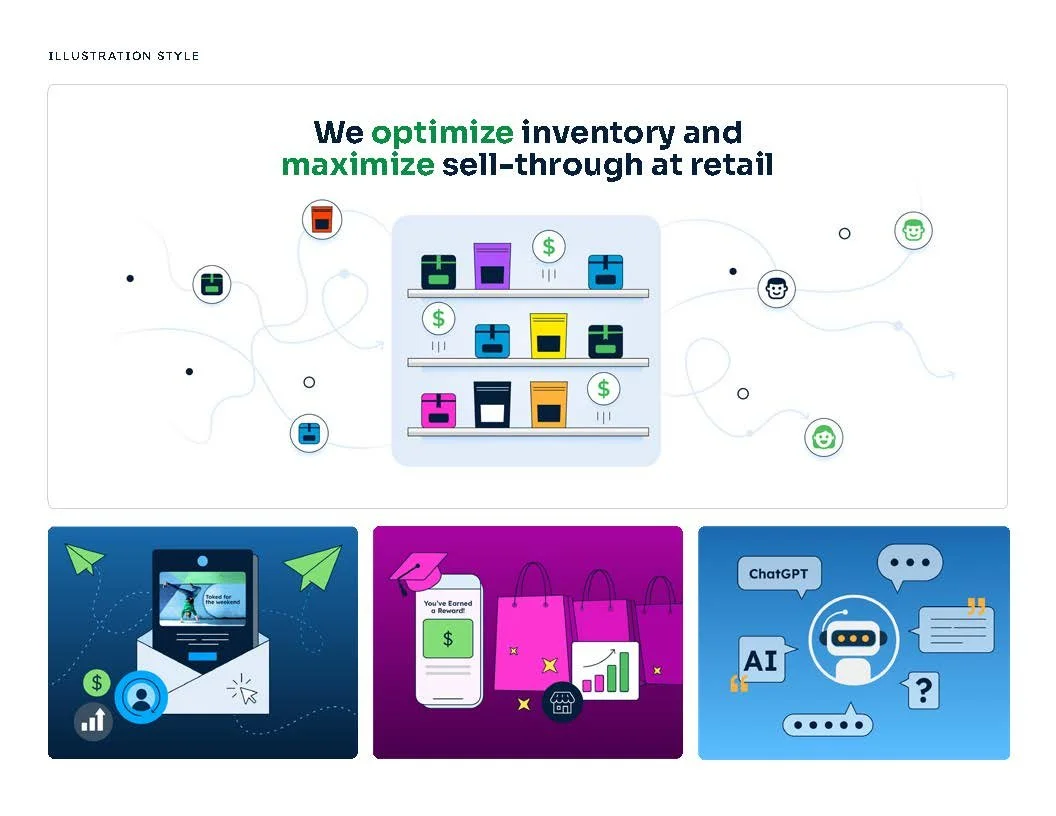
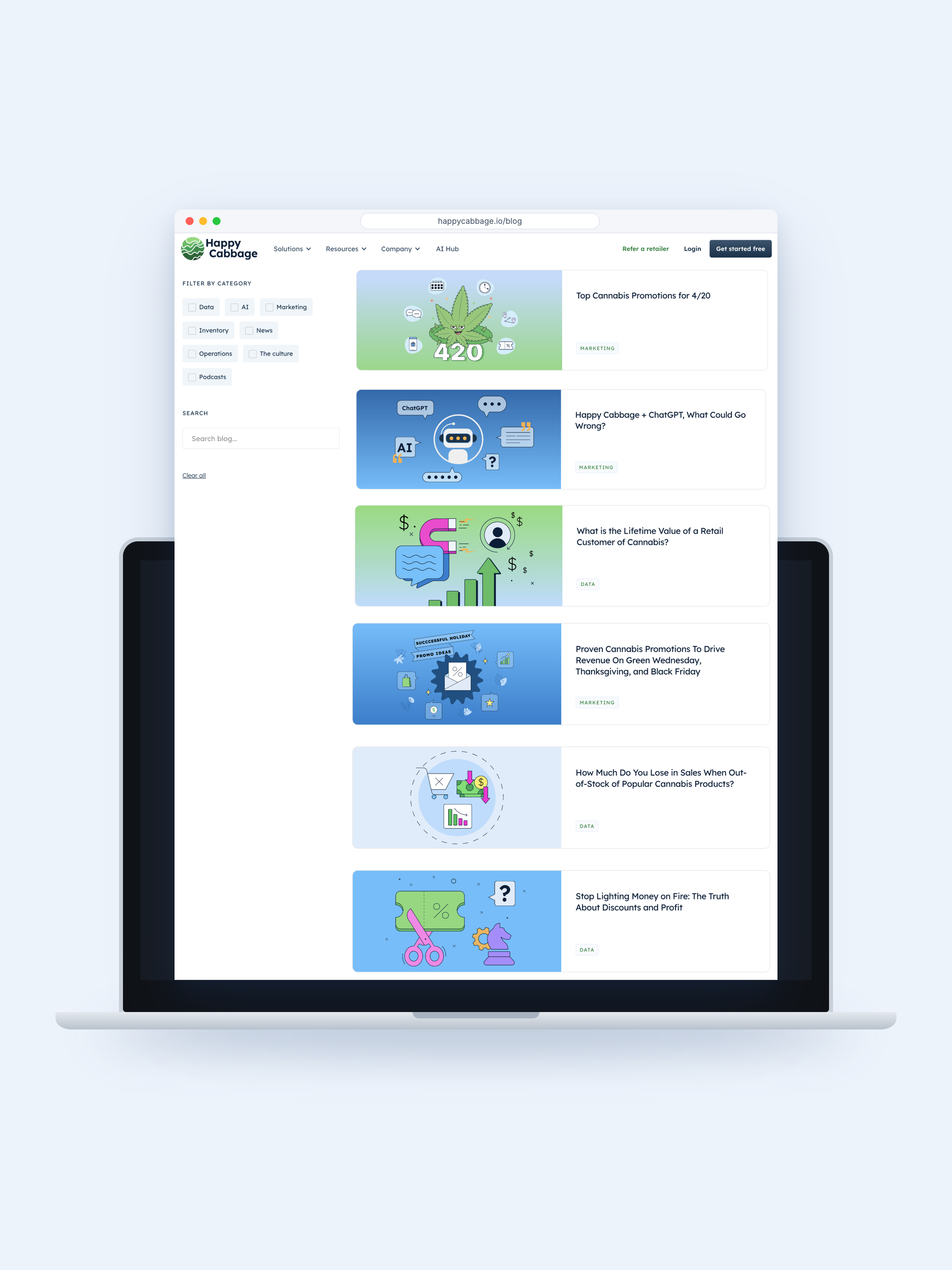
Blog content system, modular post layouts with custom iconography built for every article type.
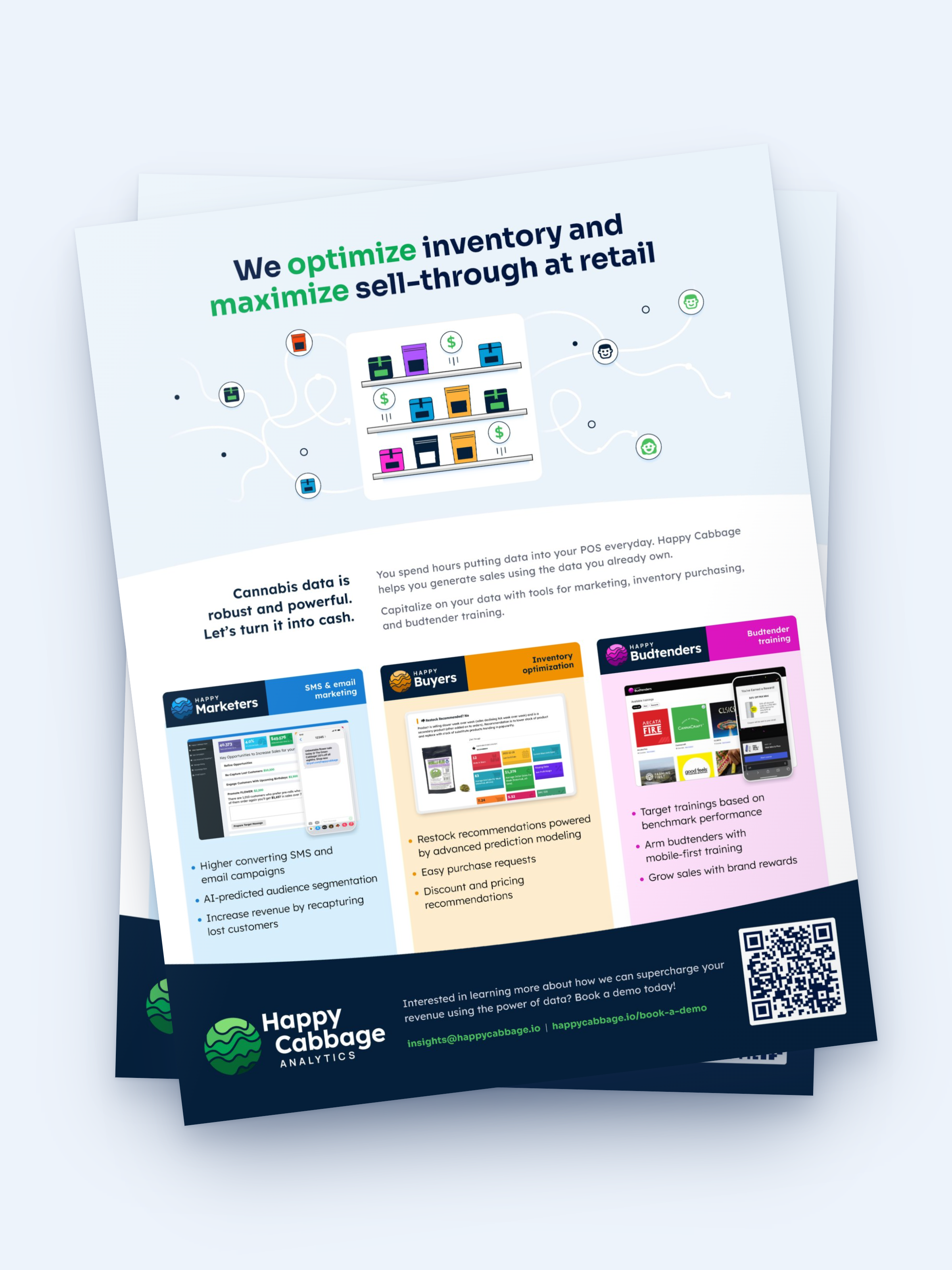
Sales enablement one-pager, translating platform data into a pitch retail buyers actually respond to.
Managing Design at Scale
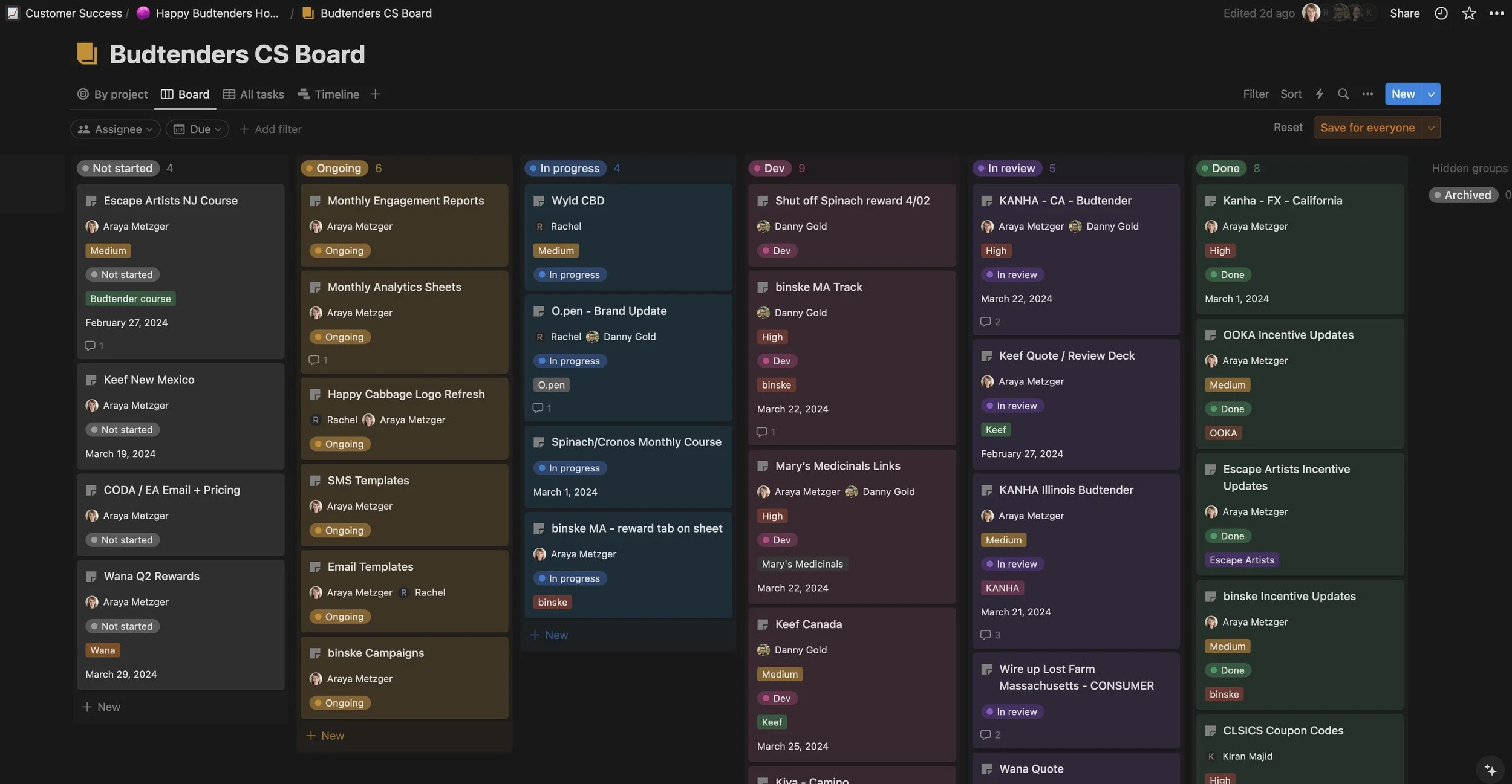
Happy Budtenders was a fast-paced startup supporting dozens of cannabis brands simultaneously. I used Notion to manage concurrent client work, prioritize design requests, coordinate launches, and keep product, marketing, and educational projects moving across teams.
KEY CONTRIBUTIONS
🎓 Educational Experiences - Designed an extensive library of interactive cannabis education.
🧩 Product & Systems - Created reusable UI components, templates, and course patterns.
🎨 Brand Evolution - Helped translate the ZolTrain rebrand into the Happy Budtenders ecosystem.
📚 Enablement - Built documentation and onboarding resources for brands and retailers.
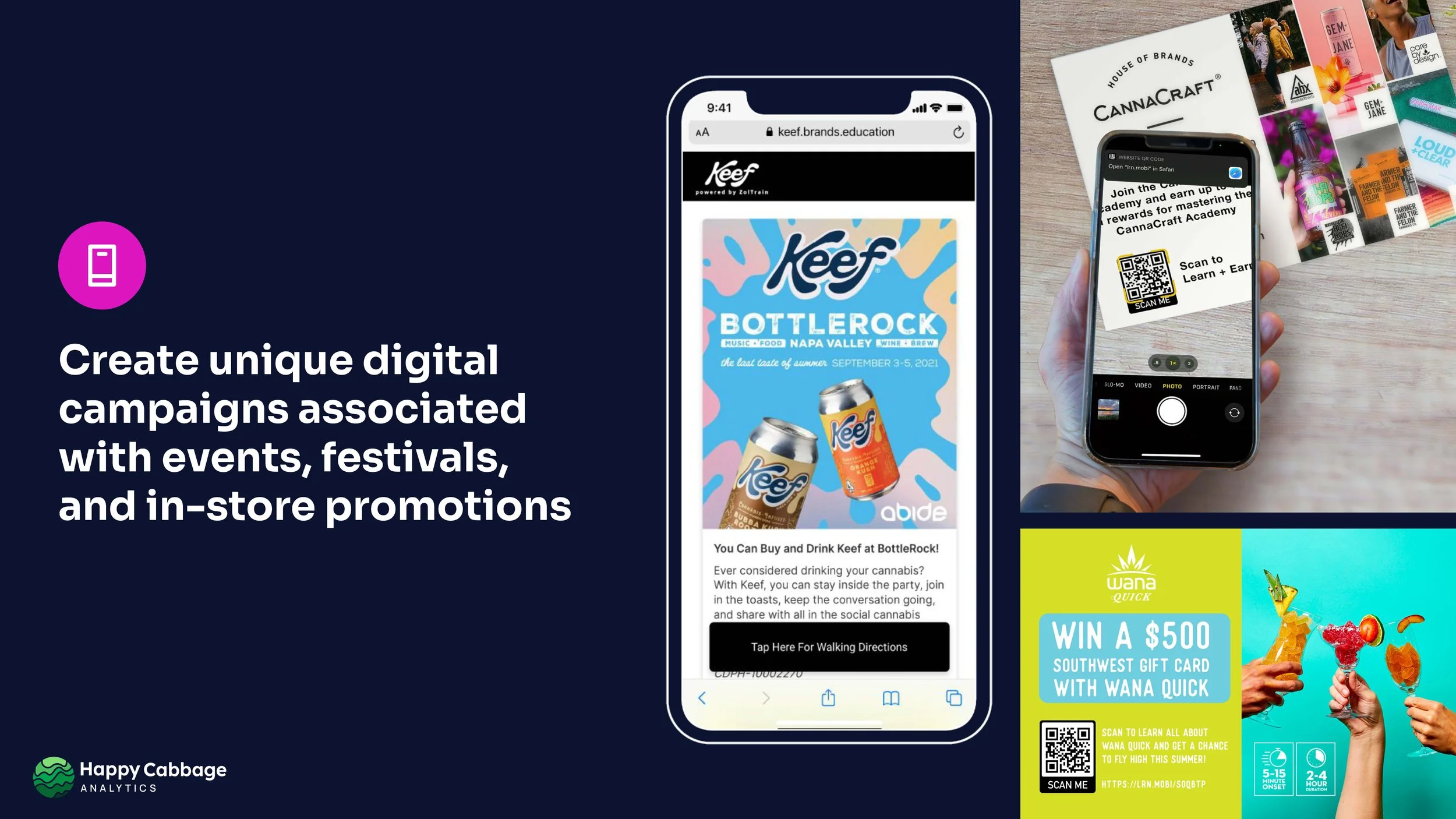
🚀 Marketing - Extended the platform through campaigns, decks, email, print, and promotions.
Team
This work was created in collaboration with Danny Gold (CEO), Eric Cobb (Product Developer), and Rachel Binagia (Graphic Designer), alongside partnerships with many of the cannabis industry's leading brands.